Food Poisoning Explained: Causes, Symptoms, Treatment & Prevention (2026 Guide)
Food poisoning is one of the most common health problems people face – yet it’s also one of the most preventable. Every year, hundreds of millions of people worldwide experience foodborne illness, ranging from a few hours of discomfort to serious, life-threatening complications. Whether you’ve eaten something suspicious or simply want to protect your family, understanding food poisoning is a valuable life skill.
This guide breaks it all down – what food poisoning is, what causes it, how to recognise it, how to treat it, and most importantly, how to stop it from happening in the first place.
What Exactly Is Food Poisoning?
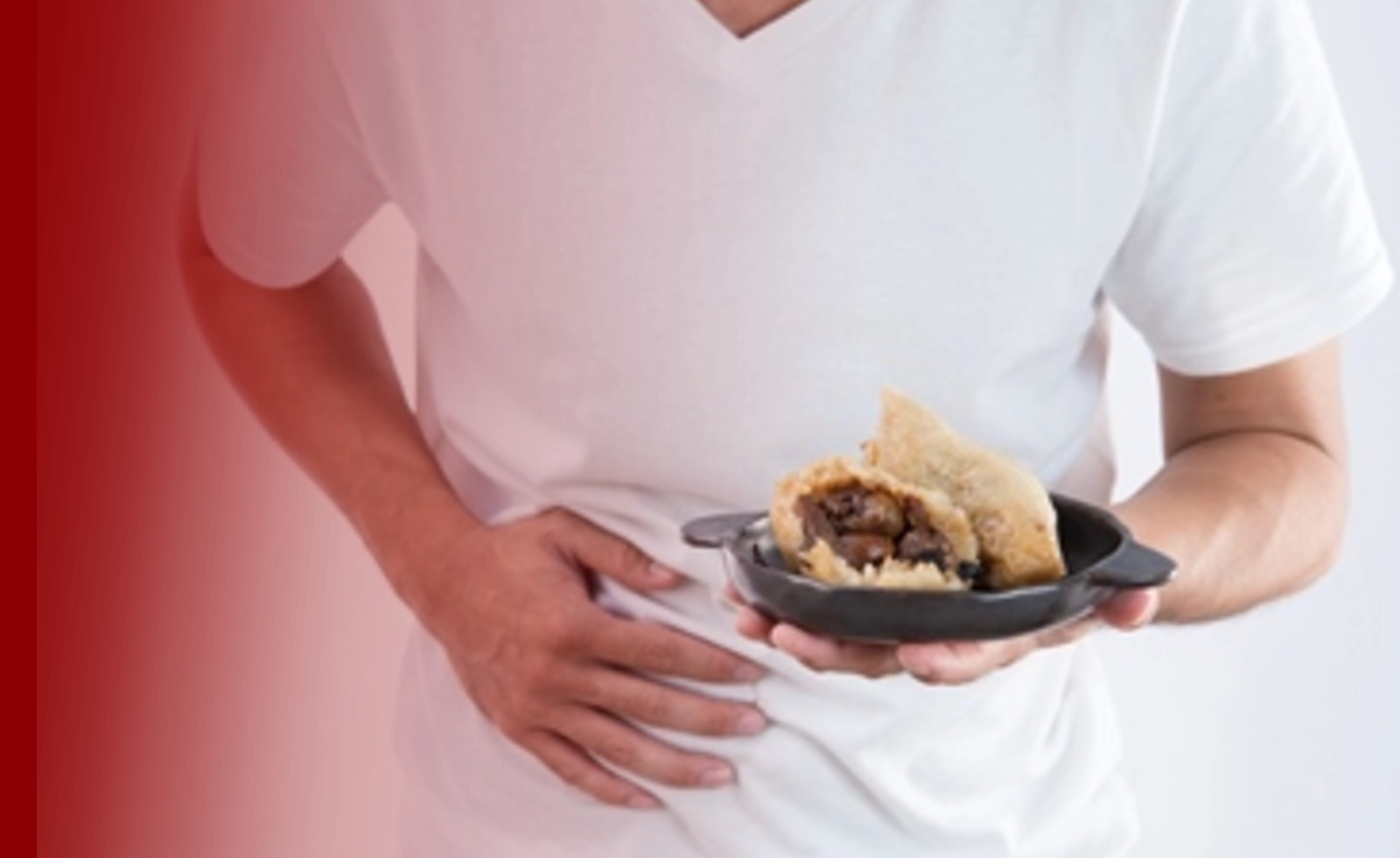
Food poisoning, also called foodborne illness, occurs when you consume food or drink that has been contaminated with harmful microorganisms or toxic substances. These contaminants attack your digestive system, causing your body to react strongly – usually in the form of vomiting, diarrhoea, and stomach pain – as it tries to flush out the threat.
The contamination can happen at any point: during farming, processing, packaging, transport, storage, or cooking. A single lapse in hygiene – an unwashed hand, an undercooked chicken breast, a cutting board used for both raw meat and salad – can be enough to cause illness.
The good news? Most cases of food poisoning are mild and pass within one to two days. However, certain groups – young children, pregnant women, elderly individuals, and people with weakened immune systems – are at higher risk of developing severe complications.
Common Symptoms of Food Poisoning
One of the trickiest things about food poisoning is that symptoms don’t always appear immediately. Depending on the type of contaminant, you may feel unwell anywhere from 30 minutes to several days after eating the offending food.
The most common symptoms include:
- Nausea – often the first sign, a persistent feeling of wanting to vomit
- Vomiting – the body’s way of rapidly expelling harmful substances
- Diarrhoea – sometimes watery, occasionally bloody in more serious cases
- Stomach cramps and pain – ranging from mild discomfort to sharp, intense spasms
- Fever – a sign that your immune system is fighting an infection
- Headache and fatigue – general weakness as your body diverts energy to recovery
- Loss of appetite – a natural response during digestive distress
Mild cases typically clear up within 24 to 48 hours. More severe cases – particularly those involving high fever, blood in the stool, or symptoms lasting beyond three days – require prompt medical attention.
What Causes Food Poisoning?
Food poisoning has several possible causes. Understanding the source helps explain why certain foods carry higher risk than others.
Bacteria – The Leading Cause
Bacteria are responsible for the majority of food poisoning cases worldwide. The most common culprits include:
- Salmonella – frequently found in raw poultry, eggs, and unpasteurised dairy products. Symptoms typically begin 6 to 72 hours after exposure.
- Escherichia coli (E. coli) – certain strains, particularly E. coli O157:H7, cause severe illness and are associated with undercooked ground beef and contaminated produce.
- Campylobacter – one of the most widespread causes of bacterial food poisoning, often linked to raw or undercooked poultry.
- Staphylococcus aureus – this bacterium produces toxins in food left at room temperature too long, such as buffet dishes, cream-filled pastries, and sandwiches.
- Listeria monocytogenes – particularly dangerous for pregnant women, found in ready-to-eat meats, soft cheeses, and smoked seafood.
Viruses
Viruses cause a significant proportion of foodborne illness, and they spread easily from person to person or through contaminated surfaces.
- Norovirus is the most common viral cause. It spreads rapidly in communal settings like restaurants, schools, and cruise ships. It only takes a tiny amount of the virus to cause infection.
- Hepatitis A can contaminate shellfish, raw produce, and water in regions with poor sanitation.
Parasites
Although less common, parasitic infections can cause prolonged and serious illness:
- Giardia lamblia – found in contaminated water supplies and unwashed produce
- Cryptosporidium – linked to water contamination and unpasteurised drinks
- Cyclospora cayetanensis – associated with imported fresh produce like raspberries and herbs
Toxins and Chemical Contaminants
Some food poisoning cases are not caused by living organisms but by toxins. Certain fish species (like pufferfish) contain natural poisons. Improperly stored foods can develop moulds that produce harmful mycotoxins. Pesticide residues on unwashed produce can also cause toxic reactions.
High-Risk Foods to Watch
While virtually any food can become contaminated under the wrong conditions, certain foods carry consistently higher risk:
- Undercooked poultry, pork, and ground beef
- Raw shellfish and seafood (oysters, clams, sushi)
- Unpasteurised milk and soft cheeses
- Raw sprouts (bean sprouts, alfalfa)
- Pre-cut fruits and salad greens
- Foods left out at room temperature for over two hours
How to Treat Food Poisoning
For most people, the primary focus during food poisoning is managing symptoms and avoiding dehydration – the biggest risk when your body is losing fluids through vomiting and diarrhoea.
Stay Hydrated
Drinking fluids is the most critical step. Water is essential, but oral rehydration solutions (ORS) are even better because they replace lost salts and electrolytes. Sports drinks can help in mild cases, but avoid sugary or caffeinated drinks that can worsen diarrhoea.
Rest Your Digestive System
Avoid solid food while you’re vomiting or experiencing severe nausea. Once symptoms begin to ease, start with bland, easy-to-digest foods such as:
- Plain rice or crackers
- Boiled potatoes
- Bananas
- Plain toast
- Clear soups
Avoid fatty, spicy, or heavily seasoned foods until you’ve fully recovered.
Medication
Over-the-counter medications like anti-nausea drugs or antidiarrhoeals can help manage symptoms but should be used carefully. In cases of bacterial infection, they may slow the elimination of harmful organisms. Always consult a pharmacist or doctor before taking medication.
When to Seek Medical Help
See a doctor immediately if you experience:
- A fever above 38.5°C (101.3°F)
- Blood or mucus in your stool
- Severe dehydration (dry mouth, sunken eyes, no urination, dizziness)
- Symptoms lasting more than three days
- Inability to keep any fluids down
- Neurological symptoms like blurred vision, tingling, or muscle weakness
Vulnerable individuals – infants, elderly people, pregnant women, and those with chronic illness – should seek medical attention sooner rather than later.
How to Prevent Food Poisoning
Prevention is always better than treatment. The four core principles of food safety are simple but powerful:
- Clean – Wash Everything Thoroughly Wash hands with soap and warm water before and after handling food, especially raw meat. Clean all surfaces, chopping boards, and utensils before and after use. Wash fruits and vegetables under running water even if you plan to peel them.
- Separate – Avoid Cross-Contamination Use separate chopping boards for raw meat and ready-to-eat foods. Store raw meat at the bottom of the refrigerator in sealed containers so it can’t drip onto other items. Never reuse marinades that have been in contact with raw meat.
- Cook – Reach Safe Temperatures Heat kills most harmful bacteria. Cook poultry to an internal temperature of at least 74°C (165°F), and ground beef to 71°C (160°F). Use a food thermometer – visual cues like colour and texture alone are not reliable.
- Chill – Refrigerate Promptly Bacteria multiply rapidly between 4°C and 60°C (40°F–140°F), known as the “danger zone.” Refrigerate or freeze perishable foods within two hours of cooking or purchasing. Never leave food out overnight, and always defrost meat safely in the fridge, not on the counter.
How HACCP Courses Provide Guidelines on Food Safety
While basic food hygiene practices are essential, structured training helps people understand why these controls matter and how to apply them consistently. This is where Hazard Analysis and Critical Control Points (HACCP) courses play an important role.
HACCP courses provide practical guidelines for identifying, preventing, and controlling food safety hazards before they cause food poisoning. Rather than reacting to contamination after it happens, HACCP focuses on prevention at every stage of food handling.
What HACCP Training Covers
A good HACCP course teaches how to manage three major food safety hazards:
Biological Hazards
These include harmful bacteria, viruses, and parasites such as Salmonellosis risks, E. coli contamination, and norovirus outbreaks.
Chemical Hazards
Training covers risks linked to cleaning chemicals, pesticide residues, allergens, and other harmful substances that may contaminate food.
Physical Hazards
HACCP also addresses contamination from foreign objects like glass, metal fragments, plastic, or hair.
Key Food Safety Guidelines Learned in HACCP Courses
HACCP training typically provides guidelines on:
- Hazard Analysis – Identifying food safety risks in preparation, cooking, storage, and service.
- Critical Control Points (CCPs) – Recognising stages where hazards can be prevented or eliminated, such as cooking temperatures or refrigeration.
- Safe Temperature Control – Understanding cooking, cooling, and storage temperatures that reduce bacterial growth.
- Cross-Contamination Prevention – Proper separation of raw and ready-to-eat foods.
- Personal Hygiene Practices – Handwashing, protective clothing, and illness reporting.
- Cleaning and Sanitation Procedures – Maintaining hygienic equipment, utensils, and food-contact surfaces.
- Monitoring and Record Keeping – Tracking food safety controls and documenting compliance.
- Corrective Actions – Knowing what to do when a food safety control fails.
How HACCP Helps Prevent Food Poisoning
By following HACCP principles, food handlers learn to prevent common causes of food poisoning before they happen, including:
- Improper cooking temperatures
- Unsafe food storage
- Poor hygiene practices
- Cross-contamination
- Temperature abuse in the “danger zone”
- Inadequate cleaning and sanitation
This preventive approach significantly reduces the risk of foodborne illness in restaurants, catering operations, food manufacturing, and even home kitchens.
Why HACCP Training Matters
For food industry professionals, HACCP training supports compliance with international food safety standards, improves consumer protection, and strengthens workplace food safety culture. For individuals, it builds practical knowledge that helps keep families and communities safe.
Why Food Safety Knowledge Matters
Understanding food safety isn’t just useful at home – it’s essential for anyone working in hospitality, catering, healthcare, or food production. Proper training reduces the risk of outbreaks, protects consumers, and ensures compliance with public health regulations.
For those seeking structured, professional-level training, institutions like Al Salama School of Safety Studies offer dedicated Food Safety and Awareness Courses that deliver practical, internationally aligned knowledge for both individuals and businesses.
Final Thoughts
Food poisoning is common, uncomfortable, and sometimes dangerous – but with the right knowledge, it’s largely avoidable. Clean hands, proper cooking, smart storage, and awareness of high-risk foods are your best defences. When illness does strike, prioritise hydration and rest, and don’t hesitate to seek medical help if symptoms are severe or prolonged. Staying informed is the first step to staying safe.