
Fast Food, Faster Risks: Is Online Food Delivery Compromising Food Safety?
Quick Answer
Can online food delivery compromise food safety? Yes, it can. Once food leaves the kitchen, the business no longer controls time, temperature, handling, or hygiene. Longer journeys, unsealed packaging, unlicensed kitchens, and untrained riders all raise the risk. The good news is that most of these risks can be managed with clear systems, proper packaging, and trained staff.
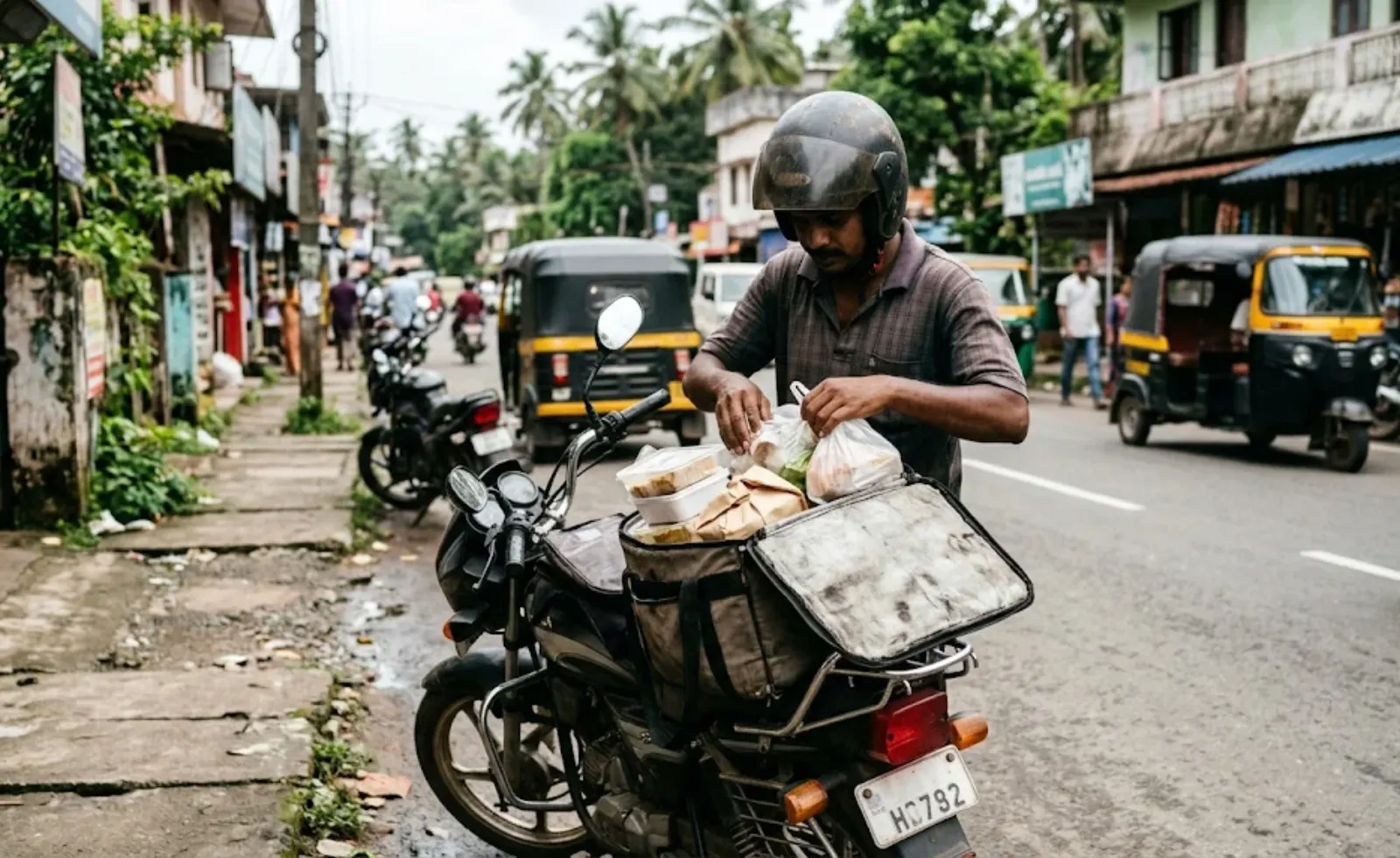
Introduction: Why Fast Food, Faster Risks Matters Today
A customer taps a screen, and a hot meal arrives at the door within thirty minutes. It feels like magic. But behind that speed sits a chain of handoffs: the cook, the packer, the delivery partner, and finally the customer. Every handoff is a chance for something to go wrong.
This is the heart of Fast Food, Faster Risks. As delivery grows, so does the distance between the kitchen and the plate. For restaurant owners, cloud kitchen operators, and food entrepreneurs, this gap is now one of the biggest food safety challenges of the decade.
This beginner guide explains what the risks are, why they happen, what they cost your business, and how you can reduce them without slowing down your orders.
Why Online Food Delivery Changes the Food Safety Game
In a dine-in restaurant, you control the whole experience. You watch the food leave the pass, you know how long it sits, and you can fix problems before the guest eats.
Delivery removes that control. Food now travels in bags, on bikes, through traffic, heat, and rain. It may wait at a pickup counter, wait again at a gate, and sit again on a doorstep. The meal that was safe when packed can be unsafe by the time it is eaten.
Three forces make this worse:
- Speed pressure. Promises of ultra-fast delivery push kitchens to rush cooking, cooling, and packing.
- Volume spikes. Peak hours bring a flood of orders, and shortcuts creep in.
- Distance from accountability. The customer cannot see your kitchen, and you cannot see their doorstep.
The Hidden Food Safety Risks in Food Delivery
- Time and temperature abuse
Bacteria grow fastest between roughly 5°C and 60°C, often called the danger zone. A hot curry that cools on the way, or a chilled dessert that warms up in a delivery bag, can stay in this zone long enough for harmful bacteria to multiply. This is the most common delivery risk, and the least visible to customers.
- Poor or unsuitable packaging
Thin containers leak, trap steam, or let air and dust in. Hot oily food can damage low-quality plastic. Without tamper-evident seals, a customer cannot tell whether the food was touched along the way. Packaging is not just about looks. It is a food safety control.
- Unclean delivery bags and vehicles
Delivery bags are often used all day, in every kind of weather, and rarely cleaned. Residue from spilled food, damp interiors, and mixing raw and ready-to-eat orders in one bag can lead to cross-contamination.
- Personal hygiene of delivery partners
Most delivery partners are not trained in basic hygiene. Handling cash, phones, and food without washing hands is common. Many businesses assume the platform handles this. In reality, responsibility is shared, and customers will blame the brand on the package.
- Unlicensed and hidden kitchens
Cloud kitchens and home-based sellers have made food entrepreneurship easier, which is good. But some operate without proper licenses, pest control, or inspections. Customers see only a menu photo and a rating, not the kitchen behind it.
- Allergen mix-ups
A missing allergen label or a wrongly packed order can be dangerous for customers with allergies. Online menus often lack clear allergen information, and rushed packing increases the chance of error.
- Reheating and holding mistakes
To keep up with demand, some kitchens pre-cook and hold food for long periods, then reheat it repeatedly. Poor holding temperatures and reheating beyond safe limits are common causes of foodborne illness.
What These Risks Mean for Your Business
Food safety is not only a health topic. It is a business topic. When a delivery order goes wrong, the damage spreads quickly.
- Customer complaints and refunds. A single bad order can mean a refund, a lost customer, and a bad review.
- Rating drops. Delivery platforms rely heavily on ratings. A few hygiene-related complaints can push your listing down.
- Regulatory action. Authorities can issue notices, fines, or suspensions if licensing or hygiene standards are not met.
- Brand damage. Social media spreads food safety stories fast, and trust takes far longer to rebuild than to lose.
- Legal liability. If a customer becomes ill, your business may face claims, even if the problem happened during transport.
For small and growing food businesses, one serious incident can threaten survival. Prevention is far cheaper than recovery.
Who Is Responsible: The Kitchen, the Platform, or the Rider?
This is a question every owner asks. The honest answer is that responsibility is shared, but the brand name on the packet is what customers remember.
In India, food businesses must hold a valid FSSAI license or registration, and food delivery platforms are expected to list only licensed businesses. Platforms also have a role in setting standards for partners. However, you cannot depend on a platform to protect your reputation. The food was cooked and packed in your kitchen, so you must own the quality until it reaches the customer.
A useful rule: treat the delivery journey as part of your kitchen.
Practical Solutions: How to Make Delivery Safer
You do not need a huge budget to reduce delivery risks. You need clear habits and trained people.
Control temperature from kitchen to door
- Keep hot food above 60°C until packing, and chilled food below 5°C.
- Use insulated bags for hot items and cold packs for chilled items.
- Pack hot and cold items separately.
- Avoid packing food while it is still steaming heavily, as trapped moisture encourages spoilage.
Upgrade your packaging
- Choose food-grade, leak-proof, heat-resistant containers.
- Use tamper-evident seals on every order.
- Match packaging to the dish. Gravy, fried items, and desserts all need different containers.
- Add clear labels with the packing time and allergen information.
Set a simple delivery time standard
Track how long orders wait at the pickup counter. Set an internal limit, and make sure packed orders do not sit for long. Shorter waiting means safer food.
Keep your kitchen audit-ready
- Maintain valid licenses and display them where required.
- Keep cleaning schedules, temperature logs, and pest control records.
- Follow the basic food safety management approach, such as HACCP principles, to find and control risks at each step.
Train every person who touches the food
Staff who understand why a rule exists follow it better than staff who only memorize it. Train your cooks, packers, and dispatch team on hygiene, allergen control, cross-contamination, and safe packing. Brief delivery partners on handling bags and keeping them clean.
Listen to feedback and act fast
Review complaints weekly. Look for patterns such as cold food, leaks, or late arrivals. Fixing the pattern is better than fixing each complaint.
A Simple Delivery Food Safety Checklist
Before every order leaves your kitchen, ask:
- Was the food cooked and held at safe temperatures?
- Is the packaging clean, sealed, and suitable for this dish?
- Are allergens labelled and orders double-checked?
- Is the delivery bag clean, dry, and separate for raw and ready-to-eat items?
- Has the handover to the delivery partner been recorded with time noted?
If any answer is no, pause and fix it. A short delay is better than an unsafe meal.
Looking Ahead: Food Delivery Safety in 2026 and Beyond
Customers are becoming more aware. They read reviews, notice packaging, and expect transparency. Regulators are also paying closer attention to online food sellers, cloud kitchens, and quick delivery models. Technology, such as temperature sensors, digital checklists, and traceability tools, is making it easier to prove that food was handled safely.
Businesses that build strong safety systems now will be ready for stricter rules and more demanding customers. Safety will become a selling point, not just a legal duty.
Key Takeaways
- Delivery separates your food from your control, so the journey must be managed.
- Time, temperature, packaging, and hygiene are the biggest risk areas.
- Platforms share responsibility, but your brand carries the consequences.
- Trained people and simple, repeatable systems prevent most problems.
- Food safety is a growth strategy: safe food builds repeat customers.
Frequently Asked Questions
Is online food delivery safe to eat?
It can be safe when the kitchen follows hygiene rules, food is packed properly, and delivery is quick. Risks rise when food sits too long, travels in unclean bags, or comes from unlicensed kitchens.
What is the biggest food safety risk in food delivery?
Time and temperature abuse. When food stays between about 5°C and 60°C for too long, harmful bacteria can multiply quickly.
How long can delivered food safely stay at room temperature?
As a general guide, cooked food should not stay in the danger zone for more than two hours in total, and less in hot weather. The shorter the time, the safer the food.
Who is responsible for food safety in delivery: the restaurant or the app?
Both share responsibility. The restaurant must prepare and pack food safely, and the platform should check licenses and set standards. Customers still hold the brand on the package responsible.
Do cloud kitchens need a food license?
Yes. In India, cloud kitchens and home-based food sellers need a valid FSSAI license or registration, depending on their size and type of business.
How can I make my delivery packaging safer?
Use food-grade, leak-proof, and heat-resistant containers with tamper-evident seals. Keep hot and cold items apart, and label allergens clearly.
How can customers check if a delivery order is safe?
Check that the seal is intact, the food is at the expected temperature, and the packaging is clean and undamaged. Avoid eating food that smells off, looks different, or arrives very late.
Does food safety training really help small food businesses?
Yes. Trained staff make fewer mistakes, handle audits with confidence, and reduce complaints and refunds. Training is often the lowest-cost way to prevent costly incidents.
What should I do if a customer reports illness after a delivery order?
Take it seriously. Record the details, check the batch and handling records, stop serving the suspected item if needed, and cooperate with authorities. Use the case to fix gaps in your process.
Ready to Make Every Delivery Safe? Start With Your Team
Speed will always sell, but safety is what keeps customers coming back. The strongest delivery brands are not the fastest ones. They are the ones whose customers never have to wonder about what is inside the box.
If you want your staff to handle food confidently, from kitchen to doorstep, structured learning is the smartest first step. At Al Salama School of Safety Studies, practical, career-focused training helps food business owners and teams build real safety skills. Looking for the Best Food Safety Courses in Kerala? Explore the programs designed to turn your team into your strongest safety asset.
Do not wait for a complaint to start caring. Visit alsalamasafety.com today and take the first step toward safer food, stronger trust, and a business built to last.