Kerala's Top Rated NEBOSH Gold Learning Partner

OSHA Top 10 Violations How to Stay Compliant in 2026

OSHA Top 10 Violations: How to Stay Compliant in 2026 Workplace safety is not just a regulatory requirement—it is a critical business responsibility. Every year, the Occupational Safety and Health Administration (OSHA) publishes its Top 10 Most Frequently Cited Violations, offering valuable insight into the most common compliance gaps across industries. For employers, safety officers, and HSE professionals, understanding these violations is the first step toward preventing penalties, reducing workplace incidents, and strengthening organizational safety culture. At Al Salama Safety, we help professionals and organizations build compliance capability through globally recognized programs such as Nebosh IGC, Nebosh IDip and IOSH MS This comprehensive guide explains OSHA’s Top 10 violations and provides practical strategies to help your organization stay compliant. What Are OSHA’s Top 10 Violations? Each fiscal year, OSHA analyzes inspection data and publishes the standards most frequently cited during workplace inspections. These violations typically represent: High-risk hazards Poorly implemented safety systems Lack of employee training Weak documentation practices Inadequate supervision or enforcement Understanding these recurring violations helps organizations proactively address risks before inspections occur. OSHA Top 10 Violations (Latest Trends Overview) Below are the most commonly cited OSHA standards in recent years: Fall Protection (General Requirements) Hazard Communication Ladders Scaffolding Powered Industrial Trucks Lockout/Tagout (Control of Hazardous Energy) Respiratory Protection Eye and Face Protection Machine Guarding Fall Protection – Training Requirements Now let’s examine each violation and how to stay compliant. 1. Fall Protection – General Requirements Standard: 29 CFR 1926.501Falls remain the leading cause of fatalities in construction. Common Violations: Lack of guardrails or safety nets Missing personal fall arrest systems Unprotected edges above 6 feet Improper anchorage systems How to Stay Compliant: Conduct fall hazard assessments before work begins Install compliant guardrail systems Use certified fall arrest systems Train workers through OSHA 30 Hours and NEBOSH programs Maintain inspection logs 2. Hazard Communication (HazCom) Standard: 29 CFR 1910.1200 Hazard Communication ensures workers understand chemical risks. Common Violations: Missing Safety Data Sheets (SDS) Improper labeling Outdated chemical inventory No HazCom training Compliance Strategy: Maintain updated SDS library Ensure GHS-compliant labels Conduct annual employee training Document hazard communication programs Programs like NEBOSH (IGC and IDip) and IOSH MS provide structured knowledge on chemical risk management and global compliance standards. 3. Ladders Standard: 29 CFR 1926.1053 Improper ladder use causes serious injuries annually. Common Violations: Using damaged ladders Incorrect ladder angle Standing on top step Overreaching Compliance Best Practices: Inspect ladders daily Train employees on safe usage Replace damaged ladders immediately Use proper ladder types for each task Safety leadership training significantly reduces ladder-related incidents. 4. Scaffolding Standard: 29 CFR 1926.451 Scaffolding violations frequently lead to falls and structural collapses. Common Violations: Inadequate planking Missing guardrails Improper assembly Lack of competent person supervision Compliance Measures: Ensure scaffolding is erected by trained personnel Conduct daily inspections Install proper fall protection systems Assign a certified competent person 5. Powered Industrial Trucks (Forklifts) Standard: 29 CFR 1910.178 Forklift incidents can result in severe injuries or fatalities. Common Violations: Untrained operators No certification documentation Poor maintenance Unsafe loading practices How to Stay Compliant: Provide formal forklift training Conduct practical evaluations Maintain inspection logs Re-certify operators every three years 6. Lockout/Tagout (LOTO) Standard: 29 CFR 1910.147 LOTO prevents accidental machine energization. Common Violations: No written LOTO procedure Improper lock usage No periodic inspections Failure to train employees Compliance Approach: Develop machine-specific procedures Conduct annual LOTO audits Train authorized and affected employees Maintain compliance documentation 7. Respiratory Protection Standard: 29 CFR 1910.134 Common Violations: No written respiratory program Failure to conduct fit testing Medical evaluations missing Improper respirator selection Compliance Steps: Develop a written respiratory protection program Conduct annual fit testing Ensure medical clearance Train employees properly 8. Eye and Face Protection Standard: 29 CFR 1910.133 Common Violations: No protective eyewear Incorrect PPE type Lack of hazard assessment Compliance Actions: Perform documented PPE hazard assessment Provide ANSI-approved protection Train workers on proper use 9. Machine Guarding Standard: 29 CFR 1910.212 Common Violations: Unguarded moving parts Missing barrier guards Bypassed safety devices Compliance Measures: Install fixed guards Conduct routine inspections Train workers not to remove guards Document maintenance checks 10. Fall Protection – Training Requirements Even when fall protection equipment exists, training gaps lead to violations. Compliance Tips: Provide documented fall protection training Conduct refresher courses Ensure supervisors enforce safe practices Why Organizations Fail OSHA Inspections Most violations occur due to: Poor documentation Lack of structured training No internal audits Weak safety leadership Reactive rather than proactive safety culture Professional safety training builds competence and prevents recurring violations. How Professional Safety Training Prevents OSHA Violations Investing in internationally recognized certifications ensures systematic compliance. OSHA 30 Hours This program provides in-depth understanding of OSHA standards, hazard identification, and compliance responsibilities for supervisors and safety officers. NEBOSH Certification The NEBOSH qualification develops advanced risk management and legal compliance skills, recognized globally. IOSH MS    The Institution of Occupational Safety and Health certification builds foundational occupational health and safety knowledge aligned with international standards. Step-by-Step Strategy to Stay OSHA Compliant 1. Conduct Regular Risk Assessments Identify hazards Document findings Implement control measures 2. Maintain Written Safety Programs Fall protection LOTO HazCom Respiratory protection 3. Provide Continuous Training Initial certification Annual refreshers Supervisor development 4. Perform Internal Audits Quarterly inspections Compliance reviews Documentation checks 5. Strengthen Safety Leadership Empower supervisors Promote reporting culture Enforce accountability Benefits of Staying OSHA Compliant Reduced workplace injuries Lower insurance costs Avoidance of penalties Improved employee morale Enhanced corporate reputation Compliance is not just about avoiding fines—it is about building a resilient and sustainable organization. Final Thoughts OSHA’s Top 10 Violations highlight predictable and preventable workplace hazards. Organizations that proactively address these risks through structured safety management systems and professional training consistently outperform reactive companies. By investing in recognized programs such as OSHA 30 Hours, NEBOSH IGC and NEBOSH IDip, and IOSH MS, organizations not only reduce regulatory exposure but also cultivate a strong safety culture that protects workers and enhances operational performance. To learn more about professional safety certifications and compliance-focused training programs, visit:https://www.alsalamasafety.com/ … Read more

Creating Your First Internal Audit Schedule

Creating Your First Internal Audit Schedule

Creating Your First Internal Audit Schedule Creating your first internal audit schedule can feel overwhelming—especially if your organization is newly implementing ISO standards or preparing for certification. However, a well-structured internal audit schedule is not just a compliance requirement; it is a strategic tool that strengthens your management system, reduces risks, and improves operational performance. This comprehensive guide explains: What an internal audit schedule is Why ISO standards require it Step-by-step instructions to create one Common mistakes to avoid How professional training strengthens your audit process If your organization is pursuing ISO certification or strengthening its safety management system, this guide will provide practical, actionable direction. What Is an Internal Audit Schedule? Simple Definition (AI Snippet Format) An internal audit schedule is a documented annual plan that outlines when, how, and by whom internal audits will be conducted across departments to ensure compliance with ISO standards and drive continual improvement. Key Components of an Internal Audit Schedule A proper audit schedule includes: Audit scope (departments, sites, processes) Applicable ISO standard(s) Frequency of audits Assigned auditors Timeline (monthly/quarterly planning) Risk prioritization Status tracking Follow-up verification plan It acts as a roadmap for the entire audit program. Why Is an Internal Audit Schedule Mandatory in ISO Standards? Most modern ISO management system standards require organizations to conduct internal audits at planned intervals. This requirement appears in: ISO 9001 – Quality Management Systems ISO 14001 – Environmental Management Systems ISO 45001 – Occupational Health & Safety Management Systems Under Clause 9.2 of these standards, organizations must: Plan audits Establish criteria and scope Select competent auditors Ensure objectivity and impartiality Maintain documented information Without a structured schedule, compliance becomes inconsistent—and certification bodies may issue nonconformities. Benefits of a Proper Internal Audit Schedule Beyond compliance, a structured audit schedule provides: 1. Risk Reduction High-risk processes are audited more frequently, reducing operational exposure. 2. Early Detection of Nonconformities Problems are identified before external certification audits. 3. Improved Operational Control Audits ensure procedures are followed as documented. 4. Stronger Safety Culture Particularly relevant for organizations implementing occupational health and safety systems. Professionals who complete structured auditor training programs such as the ISO Lead Auditor course gain deeper expertise in developing and managing effective audit schedules. Step-by-Step Guide to Creating Your First Internal Audit Schedule Step 1: Define the Scope of Your Audit Program Begin by clearly identifying: Applicable ISO standard(s) All departments and processes Multiple locations (if applicable) Outsourced activities (if critical) Example Scope: Human Resources Procurement Operations/Production HSE Department Maintenance Warehousing Management Review Process Do not exclude any process that affects quality, safety, or compliance. Step 2: Use a Risk-Based Approach to Determine Audit Frequency ISO standards emphasize risk-based thinking. Factors to Consider: History of nonconformities Legal and regulatory exposure Incident/accident records Customer complaints Process complexity Recent changes in operations New equipment or staff Suggested Frequency Model Risk Level Audit Frequency High Risk Quarterly Medium Risk Bi-Annual Low Risk Annual For example: HSE department in a manufacturing facility → High Risk → Quarterly Administrative HR process → Low Risk → Annual Safety professionals who have completed structured safety training such as NEBOSH programs often understand how risk evaluation integrates into audit planning. Step 3: Identify and Assign Competent Internal Auditors An internal auditor must: Understand the relevant ISO standard Be trained in audit principles Demonstrate objectivity Avoid auditing their own department Why Auditor Competence Matters Untrained auditors may: Miss critical nonconformities Ask ineffective audit questions Fail to identify root causes Create incomplete audit reports Professionals who complete formal ISO Lead Auditor training gain advanced skills in: Audit planning Interview techniques Evidence evaluation Writing clear nonconformity statements Corrective action verification This significantly improves audit program effectiveness. Step 4: Create the Annual Audit Calendar Once scope and frequency are defined, build your structured calendar. What Your Audit Calendar Should Include: Month/Quarter Department ISO Standard Reference Assigned Auditor Audit Type Status (Planned/Completed) Follow-Up Required   Sample Internal Audit Schedule Template Month Department Standard Auditor Risk Level Status January Procurement ISO 9001 Internal Auditor A Medium Planned March HSE ISO 45001 Internal Auditor B High Planned June Maintenance ISO 9001 Internal Auditor C Medium Planned September Production ISO 45001 Internal Auditor B High Planned November HR ISO 9001 Internal Auditor A Low Planned Spread audits evenly throughout the year to avoid year-end overload. Step 5: Develop Audit Criteria and Checklists Each audit must reference: Applicable ISO clauses Organizational procedures Legal requirements Risk registers Past nonconformities KPIs Avoid generic checklists. Tailor them to your processes. Step 6: Obtain Top Management Approval ISO requires leadership involvement. Present: Audit program scope Risk-based frequency justification Resource allocation Auditor assignments Ensure formal approval is documented. Step 7: Monitor and Update the Schedule An audit schedule is not static. Update it if: Major incidents occur Process changes are introduced New regulations apply Certification body raises major findings Continuous improvement is central to ISO philosophy. Internal Audit Schedule vs. Audit Plan Many organizations confuse these two. Internal Audit Schedule Audit Plan Annual overview Specific audit detail Strategic planning tool Operational execution document Covers all departments Covers one audit event The schedule outlines “what and when.”The audit plan defines “how and who” for a specific audit. Common Mistakes When Creating an Internal Audit Schedule 1. Auditing Everything at Year-End Leads to rushed audits and superficial findings. 2. No Risk Prioritization Treating high-risk and low-risk processes equally weakens system effectiveness. 3. Assigning Unqualified Auditors Leads to missed nonconformities. 4. Not Following Up on Corrective Actions The schedule must include follow-up audits. 5. Ignoring Legal Compliance Areas Especially critical for occupational safety management systems. How Internal Audit Training Strengthens Your Audit Program Organizations investing in auditor training consistently show stronger compliance performance. Benefits of ISO Lead Auditor Training Professional audit methodology Evidence-based auditing Risk-based audit planning Objective reporting Corrective action validation Professionals seeking structured, internationally recognized auditor training can explore ISO Lead Auditor programs to build strong auditing competence. Why Safety Professionals Should Understand Audit Scheduling For organizations implementing ISO 45001 or strengthening their safety management systems, integrating safety … Read more

Developing an Effective Evacuation Plan

Developing an Effective Evacuation Plan: Testing and Communication in Educational and Industrial Settings At Al Salama Safety, we empower thousands of students and professionals annually through comprehensive fire safety and emergency response training. As a leading institution in fire and safety education, crafting and upholding strong evacuation plans is more than a compliance checkbox—it’s essential for saving lives across diverse environments. An effective evacuation plan extends far beyond exit maps; it requires ongoing testing and transparent communication to prepare everyone for high-stakes situations. This guide delves into building, testing, and communicating evacuation plans that perform under pressure. Drawing from OSHA standards and practical strategies, we’ll adapt these principles for both educational campuses and industrial workplaces. Whether you’re refining drills in our training facilities, advising schools on student safety, or consulting industrial clients on hazard management, these approaches ensure preparedness and protection. Key Elements of a Strong Evacuation Plan A robust plan begins with identifying hazards, defining roles, and mapping escape routes tailored to the setting. In educational environments like schools or training centers, risks include overcrowded hallways, labs with equipment, and assembly halls. In industrial settings, such as factories or warehouses, threats involve heavy machinery, chemical storage, and confined spaces. OSHA guidelines emphasize inclusivity for all: students, staff, visitors, workers, and individuals with disabilities. Assign “buddies” for those needing assistance and ensure accessible routes, like ramps in schools or wide aisles in industrial plants. For Al Salama’s fire-fighting courses, plans must address practical training areas with simulated hazards, while industrial adaptations might include shutdown protocols for equipment. Incorporate essential features like alarms, clear signage, and emergency shutdowns—such as isolating gas lines in school labs or locking out machinery in factories. Compile everything into an accessible document: post it physically, share it digitally, and review it yearly to align with evolving risks. Designing Routes and Roles for Educational and Industrial Spaces Unique challenges arise in different environments. Schools often deal with narrow corridors that congest during class changes, while industrial sites manage vast areas with potential chemical or electrical hazards. Prioritize clear, unobstructed paths with illuminated signs for smoky conditions in both. Define roles explicitly: Floor wardens direct evacuations, searchers inspect hidden areas like restrooms in schools or storage silos in industries, and a central command oversees accountability. At Al Salama, instructors serve as wardens in educational drills, demonstrating composure, while in industrial simulations, we train supervisors to coordinate with shift teams. Cater to vulnerable groups—use simple, visual aids for young students or non-native speakers in schools, and specialized gear for workers in high-noise industrial zones. In multi-level buildings, favor stairwells over elevators, enhanced with smoke-control systems. Infuse Al Salama’s training philosophy by linking plans to hands-on sessions, reinforcing routes through real-world practice in both educational and industrial contexts. The Critical Role of Testing Through Drills Untested plans are unreliable. Regular drills uncover issues like obstructed exits or procedural confusion before emergencies occur. OSHA advises quarterly unannounced drills for high-hazard areas, fostering instinctive responses. Execute comprehensive evacuations: Activate alarms, time escapes, and debrief promptly. In educational settings, we use smoke machines to mimic fires, aiming for under two minutes per floor for 50 students. In industrial environments, simulate scenarios like chemical leaks, timing evacuations for large workforces while practicing equipment isolation. Diversify drills—fire-focused for routes, or integrated with threats like spills in industries or active intruders in schools. Engage participants: Make school drills educational with rewards, and industrial ones practical with post-shift reviews to build team confidence. Analyze afterward via surveys (“Were instructions clear?”) and log fixes, such as clearing blocked paths. Leverage third-party audits, as we do for clients, to certify plans in both sectors. Communication: The Lifeline of Any Evacuation Success hinges on flawless information flow. Reliable alerts include wired alarms with visual strobes for the hearing-impaired, plus voice systems announcing calm evacuations. Preemptive education prepares everyone: New student orientations in schools use videos and maps, while industrial onboarding includes safety briefings with hazard-specific quizzes. Send regular reminders via email or apps. In crises, employ backups—radios for wardens, mass notifications for large sites, and external speakers. For Al Salama’s multicultural trainees and industrial clients, provide multilingual materials and icons. After events, host debriefs to share insights, transforming experiences into training opportunities. Integrating Technology and Training Enhancements Leverage modern tools to strengthen plans. Apps like AlertMedia deliver location-based alerts, perfect for campus students or mobile industrial teams. IoT sensors detect hazards early, and wearables track at-risk individuals. Combine tech with training: VR simulations let users practice lab fires in schools or machinery shutdowns in industries, improving retention by up to 40% as seen in our courses. Budget smartly—use free tools for feedback surveys and invest in alert systems. Train redundantly: Certify 20% of staff as wardens to cover absences, ensuring seamless operations across educational and industrial applications. Overcoming Common Challenges in Educational and Industrial Environments Barriers like participant resistance or resource constraints are common. Counter drill fatigue with varied timing and incentives, such as certificates in schools or safety bonuses in industries. For crowded spaces, zone evacuations—by building wings in campuses or production lines in factories—to prevent jams. Proactively support disabilities with ramps, medical kits, and adaptive tools. Adhere to regulations: UAE standards align with OSHA, requiring documented plans to avoid penalties. Prioritizing effectiveness safeguards lives in both settings. Measuring Success and Continuous Improvement Monitor via KPIs: Aim for 95% timely evacuations and injury-free drills. Annual updates incorporate feedback and emerging risks, like power failures affecting alarms. In essence, effective evacuation plans at Al Salama Safety integrate meticulous design, thorough testing, and precise communication. By applying these across educational and industrial landscapes, we exceed compliance and champion safety. Share this resource, plan your next drill, and prioritize protection in every environment.

How to Conduct a Workplace Risk Assessment

How to Conduct a Workplace Risk Assessment: A Practical Guide Workplace risk assessments form the foundation of any effective occupational health and safety program. Whether you manage a small office or a large industrial facility, understanding how to identify, evaluate, and control workplace hazards is essential for protecting your workforce and ensuring regulatory compliance. A workplace risk assessment is not just a compliance requirement—it’s a critical practice that prevents accidents, reduces injuries, and creates a culture of safety throughout your organization. This practical guide walks you through each step of the process, making it accessible for safety professionals at any level. Why Workplace Risk Assessment Matters Before diving into the process, it’s important to understand why risk assessments are so vital. Every workplace contains hazards—factors that have the potential to cause harm. These might be physical hazards like machinery or electrical equipment, chemical hazards from substances in use, or human factors like repetitive strain or psychological stress. When hazards go unidentified and uncontrolled, the consequences can be severe: employee injuries, occupational illnesses, lost productivity, legal liability, and damage to organizational reputation. A systematic risk assessment process helps you get ahead of these risks by identifying them before they result in harm. Organizations that invest in rigorous risk assessment demonstrate their commitment to worker welfare, which also improves employee morale, reduces absenteeism, and enhances overall workplace productivity. Step 1: Identify the Hazards in Your Workplace The first step in conducting a workplace risk assessment is identifying what could cause harm. This requires a systematic and thorough approach. Start by walking through your workplace and observing the environment. Look at how work is actually performed, not just how procedures say it should be performed. Examine: How equipment and machinery are used daily The chemicals, substances, and materials in use Work practices—both safe and unsafe ones The physical condition of your premises, including lighting, ventilation, and noise levels Non-routine operations such as maintenance work, cleaning, or emergency procedures Hazards to mental health, including work-related stress and workload management Review your accident and incident records from the past few years. These historical patterns often reveal hazards that aren’t immediately obvious. Pay particular attention to near misses—incidents that could have caused harm but didn’t. These are valuable indicators of where problems exist. Engage your workforce. Your employees are on the front lines and often have the most practical insights into workplace hazards. Conduct conversations with staff, review any complaints or suggestions they’ve raised, and create an open channel for reporting potential hazards. Workers can identify risks that management might overlook simply because they spend their time directly engaged with the work. Also consider vulnerable groups in your workforce. Young workers, pregnant employees, workers with disabilities, and migrant workers may have different needs or face particular risks. Ensure your hazard identification considers their specific circumstances. Step 2: Assess the Level of Risk Once you’ve identified the hazards, you need to evaluate the risks they present. Risk assessment involves determining both the likelihood of harm occurring and the potential severity of that harm. For each hazard you’ve identified, ask yourself: Who might be harmed and how? Identify specific individuals or groups (employees, contractors, visitors, members of the public) and describe the ways they could be injured or made ill. What controls are already in place? Document the existing measures you’ve implemented to manage this risk. What is the current level of risk? Assess whether the existing controls are adequate or if additional measures are needed. What further actions are required? Identify specific steps you need to take to reduce the risk to an acceptable level. Who is responsible for implementing these actions? Assign clear ownership. When should these actions be completed? Set realistic deadlines. This structured approach ensures that risk assessment is not vague or subjective, but rather a methodical evaluation of actual workplace conditions. Step 3: Implement Risk Control Measures Controlling risks is about putting practical measures in place to prevent or minimize harm. The principle of “reasonably practicable” is key here—you’re expected to balance the level of risk against the measures needed to control it, considering factors like cost, time, and feasibility. When considering control measures, work through them in order of effectiveness: Eliminate the hazard entirely. This is always the best option if possible. If you can remove the hazard from your workplace altogether—whether by discontinuing a dangerous process or replacing a hazardous substance with a safer alternative—do so. Substitute with a safer alternative. If elimination isn’t possible, can you replace the hazardous material, equipment, or process with something less dangerous? For example, replacing a toxic cleaning chemical with a less harmful substitute. Redesign the job or process. Change how the work is organized or performed to reduce exposure to the hazard. This might involve reorganizing work schedules, reducing the time workers spend in hazardous situations, or engineering changes to machinery. Implement engineering controls. Install physical safeguards such as machine guards, improved ventilation systems, noise barriers, or fall protection systems. These controls work independently of human behavior. Organize work to reduce exposure. Implement administrative measures like job rotation, increased supervision, or changes to work procedures that limit workers’ contact with hazards. Provide personal protective equipment (PPE). As a last resort, supply workers with appropriate protective gear like hard hats, gloves, respirators, or safety harnesses. However, PPE alone is never sufficient—it must be combined with other control measures. Ensure workers are trained in proper use and make wearing PPE part of your workplace culture. Step 4: Record Your Findings If your organization employs five or more people, you’re required to record the significant findings of your risk assessment. This creates an important document that demonstrates your due diligence and provides a baseline for future reviews. Your risk assessment record should document: The hazards identified in your workplace Who might be harmed and how (e.g., “office workers from poor posture,” “warehouse staff from forklift operation”) The control measures you have in place Any additional actions required to further reduce risk Responsible parties and timelines for … Read more

5 Common Hazards Every Workplace Should Address

5 Common Hazards Every Workplace Should Address Every organization, regardless of industry, faces workplace hazards that can impact employee safety and business operations. As professionals in occupational health and safety know, identifying and addressing these hazards proactively is essential for creating a secure work environment. In this blog, we’ll explore the five most common workplace hazards and discuss practical approaches to manage them effectively. 1. Slips, Trips, and Falls Falls and slips represent one of the leading causes of workplace injuries and fatalities across industries. These incidents can range from minor bruises to serious injuries that result in extended time away from work, affecting both employees and business productivity. Why this matters: Falls are responsible for significant costs to organizations, with each incident averaging substantial expenses in medical care and lost productivity. Prevention strategies include: Maintaining clean, organized work areas free from obstacles and clutter Installing non-slip mats in high-traffic areas and wet zones Ensuring adequate lighting throughout the workplace, particularly in hallways and stairwells Marking hazardous areas and uneven surfaces with warning signs Conducting regular inspections to identify potential fall hazards Training employees on proper footwear and walking practices Creating a culture where employees report hazards promptly can prevent many slip and fall incidents before they occur. 2. Chemical Exposure Chemical hazards are present in many workplaces, from manufacturing facilities to cleaning operations. Exposure to hazardous substances can damage the immune system, respiratory system, and reproductive health, making proper handling essential. Prevention strategies include: Purchasing only approved chemicals from authorized suppliers Consulting Safety Data Sheets for every chemical used in the workplace Conducting comprehensive chemical risk assessments Storing chemicals in clearly labeled, appropriate containers away from incompatible materials Ensuring adequate ventilation in work areas where chemicals are handled Providing employees with necessary personal protective equipment such as gloves, masks, and eye protection Offering thorough training on hazardous material handling and emergency procedures Establishing proper disposal protocols that comply with environmental regulations A well-documented hazard communication program ensures that all employees understand the chemicals they may encounter and know how to protect themselves. 3. Machinery and Equipment Hazards Operating tools and machinery without proper safeguards and training represents a significant risk in many work environments. Equipment-related incidents can result in serious injuries if workers are not adequately prepared. Prevention strategies include: Conducting regular maintenance and inspections of all machinery and equipment Providing comprehensive training to all operators before they use equipment Restricting machinery operation to trained and authorized personnel only Installing safety guards, emergency stop buttons, and protective barriers Ensuring proper use of personal protective equipment when working with machinery Establishing clear lockout and tagout procedures during maintenance Conducting routine safety checks and equipment audits Well-maintained equipment with proper safeguards reduces the risk of accidents significantly. Regular training ensures workers understand not just how to use equipment, but also how to respond if something goes wrong. 4. Fire Hazards Fire presents both immediate and long-term risks to workplace safety. Fires can spread rapidly and cause extensive property damage, injuries, and fatalities if proper precautions are not in place. Prevention strategies include: Installing and regularly maintaining fire alarms, extinguishers, and sprinkler systems Developing and posting clear emergency evacuation plans with designated assembly points Conducting regular fire drills to ensure all employees know the evacuation procedures Training employees on the proper use of different types of fire extinguishers Storing flammable materials in designated, secure areas away from ignition sources Implementing hot works procedures and fire watch protocols during maintenance Maintaining clear emergency exits and keeping them unobstructed Establishing an emergency response plan with clear communication protocols Regular fire safety training ensures that employees can act quickly and confidently if a fire emergency occurs, potentially preventing injuries and saving lives. 5. Ergonomic Hazards and Repetitive Motion Injuries Many workplace injuries result not from dramatic accidents but from prolonged improper posture, poor workstation setup, or repetitive motions. These injuries accumulate over time and can have serious long-term consequences for employee health. Prevention strategies include: Assessing workstations to ensure they promote proper posture and alignment Providing ergonomic furniture and tools designed to reduce strain Encouraging employees to take regular breaks and stretch Educating workers on proper lifting techniques and safe handling procedures Rotating employees between different tasks to reduce repetitive stress Conducting workstation assessments and adjustments as needed Creating a culture where employees feel comfortable reporting discomfort or pain Ergonomic improvements often result in increased productivity and reduced absenteeism, making them a worthwhile investment for any organization. The Role of Training and Awareness What ties these hazard management strategies together is training. Employees who understand workplace hazards and know how to respond to them are your organization’s first line of defense. A NEBOSH Training Institute in Kerala like Al Salama School of Safety Studies emphasizes that proper education is foundational to safety culture. Whether through a NEBOSH Certification Course or a NEBOSH International Diploma Course, professional safety training equips individuals with the knowledge to identify hazards, implement controls, and foster a safety-conscious workplace. These certifications are recognized internationally and provide professionals with the credentials and expertise needed to lead safety initiatives effectively. Moving Forward Creating a safe workplace requires commitment from both management and employees. Regular hazard assessments, ongoing training, clear communication, and a genuine commitment to safety culture all play important roles. When organizations take a proactive approach to hazard identification and control, they protect their most valuable asset—their people—while also reducing costs associated with incidents and improving overall operational efficiency. The investment in workplace safety today pays dividends in employee well-being, reduced absenteeism, improved morale, and sustainable business growth tomorrow.

Safety Audits and Inspections: What You Need to Know​

Safety Audits and Inspections: What You Need to Know At Al Salama Safety, we prioritize creating safer workplaces through education and practical knowledge. As a leading provider of safety courses in Kerala, we often discuss tools that help organizations maintain high standards. Today, let’s dive into safety audits and inspections—two essential practices that can prevent accidents and ensure compliance. Whether you’re managing a team or just starting out in the field, understanding these can make a real difference.​ Understanding Safety Audits An ISO audit is a systematic process for obtaining audit evidence and evaluating it objectively to determine the extent to which audit criteria are met. It is an essential part of an organization’s management system that helps to assess the effectiveness of its ISO standards implementation and identify areas for improvement.​ A safety audit is like a thorough check-up for your entire health and safety system. It looks at policies, training programs, documentation, and how well everything aligns with regulations such as OSHA or ISO standards. The goal is to spot strengths and weaknesses, so you can improve the overall framework that keeps everyone safe. For example, it might review incident reports, employee training logs, and emergency plans to see if they’re effective in real-world scenarios.​ Audits are usually done by experienced professionals, like EHS managers or external experts, and they involve interviews, document reviews, and sometimes data analysis. They’re not about catching people out but about building a stronger system that prevents issues before they arise.​ What About Safety Inspections? On the other hand, safety inspections are more hands-on and focused on the here and now. These involve walking through a worksite to identify immediate hazards, such as faulty equipment, improper storage of materials, or unsafe behaviors. Think of it as a spot-check to make sure machinery, buildings, and tools meet safety standards right at the moment.​ Inspections are often carried out by supervisors, safety reps, or crew leads using checklists tailored to specific risks. They’re quicker and more frequent than audits, helping to fix problems on the spot and avoid accidents.​ Inspections play an integral role in audits.​ Spotting the Differences While both audits and inspections aim to boost safety, they serve different roles. Audits are broad and strategic, examining the big picture of your safety management over time—maybe monthly or annually. Inspections are narrower, targeting specific areas or tasks daily or weekly.​ Audits rely on deep dives into records and processes, leading to long-term changes like policy updates. Inspections use real-time observations, resulting in immediate fixes, such as repairing equipment or adjusting procedures right away. Together, they create a balanced approach: audits ensure the system is solid, while inspections keep daily operations safe.​ Why These Practices Matter Implementing regular audits and inspections isn’t just a box to tick—it’s a way to protect people and your organization. They help catch hazards early, reducing the chance of injuries, fines, or shutdowns. For instance, spotting a pattern of equipment failures through audits can lead to better training, while inspections might prevent a slip by clearing a cluttered walkway.​ Beyond that, these practices build a culture where safety is everyone’s priority. They improve efficiency, cut costs from accidents, and even enhance your reputation. In high-risk industries, they’re crucial for meeting legal requirements and showing commitment to well-being.​ How to Conduct Them Effectively Starting with preparation is key. For audits, gather documents like past reports and training records, then train your team on what to look for. During the process, ask open-ended questions to get honest insights, document everything with photos or notes, and prioritize high-risk findings. Mention about the different types of audits and the various stages involved in an audit – like planning, document checks, inspections and interviews followed by report writing. Mention the audit cycle.​ For inspections, create custom checklists based on your site’s unique hazards—whether it’s chemicals, heights, or machinery. Walk the area methodically, engage workers in conversations, and note any issues. Afterward, always follow up: assign actions with deadlines, verify fixes, and analyze trends to prevent repeats. Mention examples of some inspections and the frequency being determined by various factors like regulations, manufacture guidelines and current site hazards and incident records.​ Best Practices to Keep in Mind To get the most out of audits and inspections, customize your approach to your environment. Involve employees in the process—it encourages buy-in and uncovers hidden issues. Use digital tools for tracking findings and actions; they make it easier to spot patterns and share reports.​ Stay consistent across sites, and don’t forget to celebrate improvements. Regular training keeps everyone sharp, which is where programs like our safety diploma course in Kerala come in handy. They equip you with the skills to lead these efforts confidently.​ Conclusion Safety audits and inspections are foundational to a proactive safety strategy. By understanding and applying them, you can create environments where risks are minimized and people thrive. If you’re looking to deepen your expertise, consider our Health and Safety Courses in Kerala —they cover these topics in detail, helping you apply them in real settings.

NEBOSH International Diploma Aligns with International Health & Safety Standards

How the NEBOSH International Diploma Aligns with International Health & Safety Standards

How the NEBOSH International Diploma Aligns with International Health & Safety Standards In today’s global workplace, organisations are under constant pressure to prove that their health and safety practices meet international expectations. The NEBOSH International Diploma in Occupational Health and Safety has been created precisely with this need in mind, giving safety professionals the knowledge and skills to work confidently with global standards and best practice. For companies with multinational projects or diverse workforces, this qualification becomes a powerful way to align internal systems with internationally recognised benchmarks. What Makes the NEBOSH International Diploma “International”? The International Diploma is not built around the laws of a single country. Instead, the syllabus is mapped to widely accepted international principles of occupational health and safety management. That means learners focus on core concepts that apply across borders, such as risk management, leadership, worker engagement and continual improvement. Because of this approach, the Diploma fits naturally with global management system models that many organisations already follow. Whether a company operates in construction, oil and gas, manufacturing or services, the content helps safety professionals speak the same “international language” of health and safety Strong Synergy with ISO 45001‑Style Systems One of the biggest advantages of the NEBOSH International Diploma is how well it complements ISO 45001‑style occupational health and safety management systems. While the qualification does not belong to ISO, both share common foundations such as: A structured “plan–do–check–act” cycle for managing risk and performance Clear roles, responsibilities and leadership expectations for health and safety Worker participation, consultation and communication as core elements A focus on performance monitoring, audits and continual improvement. This alignment means graduates are well prepared to help design, implement and maintain formal health and safety management systems that can stand up to external audits and client requirements. For organisations working towards or maintaining certification, this is a major added value. Deep Focus on Risk Management and Control International standards consistently highlight risk assessment and control as the foundation of good health and safety practice. The NEBOSH International Diploma reflects this by going beyond basic checklists and teaching a more strategic approach to risk. Learners explore how to: Identify a wide range of workplace hazards, including complex and emerging risks Use structured risk assessment methods to prioritise controls Apply the hierarchy of control to select effective, sustainable solutions Integrate risk thinking into everyday management This emphasis matches what global clients and regulators expect: systematic, evidence‑based risk management instead of reactive, one‑off fixes. It also helps safety professionals justify their recommendations in boardrooms and project meetings. Addressing Both Health and Safety in Line with Global Trends Modern international standards no longer treat “health” and “safety” as separate topics. The NEBOSH International Diploma course mirrors this trend by covering occupational health and wellbeing alongside traditional safety risks. Learners cover areas such as: Chemical, biological and physical agents and their long‑term health impacts Musculoskeletal disorders and ergonomic risks Stress, fatigue and psychosocial risks, which are now high on global agendas Health surveillance, exposure monitoring and control strategies By addressing these issues in depth, the qualification supports the international move towards holistic worker protection, where mental and physical health are treated with equal importance. This is exactly what many multinational organisations are now seeking from their HSE teams. Supporting Legal Compliance Across Different Jurisdictions Every country has its own regulations, but the underlying duties on employers are often similar: assess risks, provide safe systems of work, train people and monitor performance. The International Diploma is structured around these universal principles rather than the exact wording of any legal code. As a result, professionals who complete the programme are better equipped to: Interpret and apply local laws through an international best‑practice lens Bridge gaps between client requirements, project standards and national rules Demonstrate due diligence by documenting systematic, risk‑based decisions For companies working on international tenders or joint ventures, this ability to translate core principles into different legal environments is extremely valuable. How the Diploma Builds Strategic HSE Leaders International standards expect health and safety to be led from the top and integrated into business strategy, not treated as a standalone activity. The NEBOSH International Diploma reflects this expectation by developing leadership and management capabilities as well as technical knowledge. Learners are encouraged to think like HSE leaders who can: Influence senior management and shape health and safety policy Build a positive safety culture that encourages reporting and learning Use data, audits and incident analysis to drive continual improvement Align health and safety objectives with wider business goal This leadership‑oriented approach is one of the main reasons the Diploma is often requested or preferred for senior HSE roles in global organisations. Global Recognition and Career Opportunities The NEBOSH International Diploma is widely recognised by employers across the world as a benchmark for advanced health and safety competence. Many recruitment adverts for roles such as HSE Manager, HSE Engineer, Safety Consultant or Head of HSE specify NEBOSH Diploma (or equivalent) as a preferred or essential qualification, particularly in high‑risk industries.​ This recognition is especially strong in regions such as the Middle East, where many projects are delivered by multinational teams and governed by international client standards. For professionals working in markets like the GCC or looking to move between countries, holding this qualification signals that their skills are aligned with global expectations.​ There is a section in NEBOSH Level 6 International Diploma for Occupational Health and Safety Management Professionals – NEBOSH which talks about professional recognitions – add that as well please

Fire Safety Culture in Organizations

Fire Safety Culture in Organizations: Building a Proactive Safety Mindset Beyond Compliance

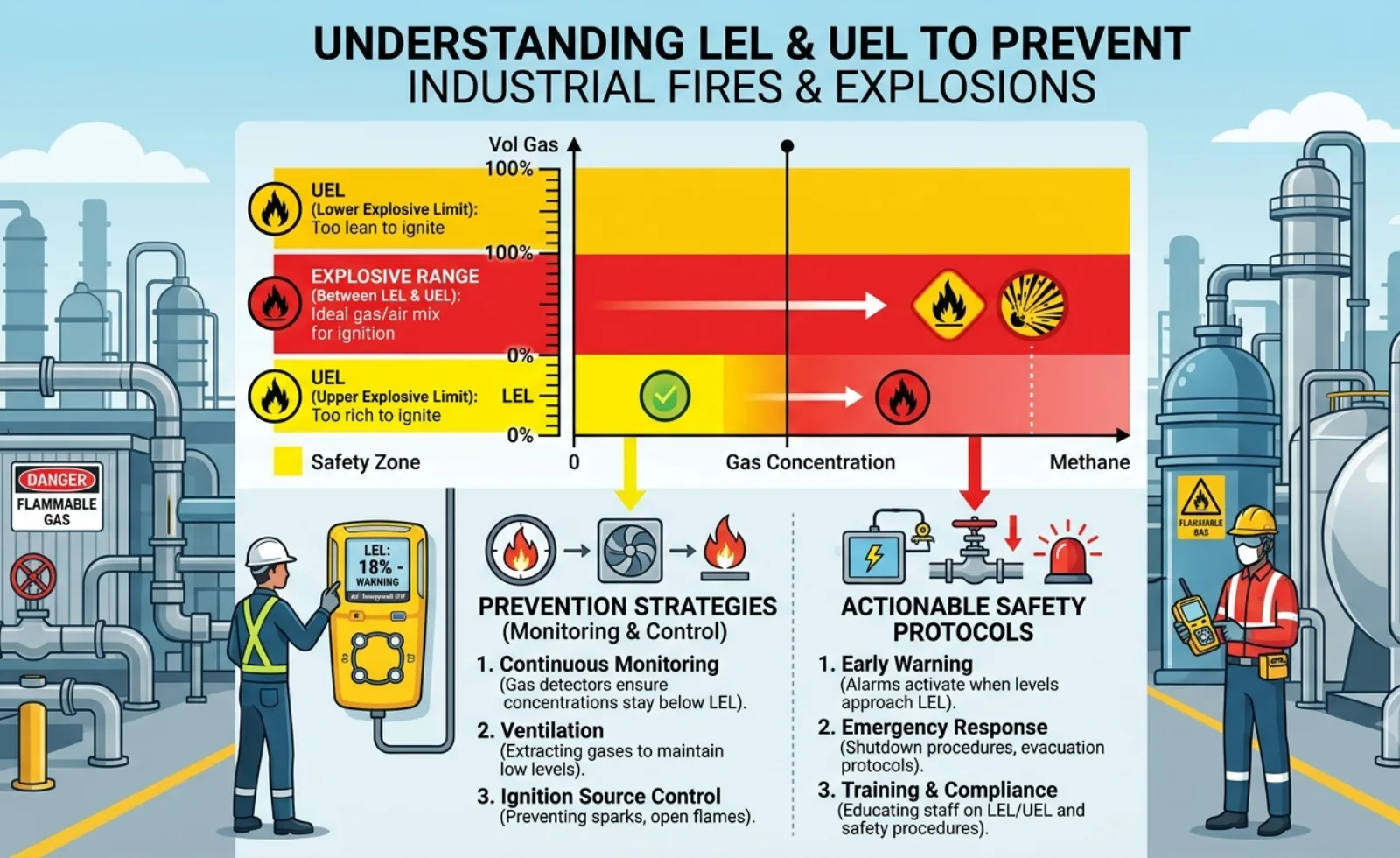
Fire Safety Culture in Organizations: Building a Proactive Safety Mindset Beyond Compliance In today’s fast-paced work environments, fire incidents can strike without warning, turning routine operations into emergencies. Yet, many organizations stop at meeting basic regulatory requirements, like installing smoke detectors or conducting annual drills. This compliance-only approach leaves gaps that a strong fire safety culture can fill. A proactive safety mindset goes further, embedding fire prevention into everyday decisions and behaviors. It turns safety from a checklist item into a shared priority that protects people, assets, and reputations. For safety managers, organizational leaders, HR professionals, and students eyeing management roles in safety, shifting to this mindset means focusing on people as much as processes. Drawing from proven strategies in workplace safety, this post explores how to build a fire safety culture that drives engagement, learns from incidents, and prepares for the unexpected. At Al Salama Safety, we’ve seen firsthand how these elements reduce risks and boost team morale. Let’s break it down step by step. Leadership Commitment: Setting the Tone from the Top Leaders shape the fire safety culture more than any policy ever could. When executives treat fire safety as a core business value, it signals to everyone that protection comes first. This starts with visible actions: joining fire drills, reviewing risk assessments in board meetings, and allocating budgets for updated suppression systems without hesitation. For instance, a manufacturing firm might see its CEO personally inspect flammable storage areas, showing that no corner of the operation is exempt. Beyond gestures, leadership commitment involves integrating fire safety into strategic planning. This means embedding work health and safety principles into operations, like promoting employee input on fire hazards during quarterly reviews. Leaders who prioritize resources for training and equipment foster trust, encouraging teams to speak up about risks like overloaded circuits or blocked exits. The payoff? Fewer accidents, higher retention, and a workplace where safety feels like a collective win. In high-stakes sectors like healthcare or logistics, this top-down approach prevents small oversights from escalating. Safety managers can push for leadership training sessions that cover fire-specific scenarios, ensuring decisions always weigh prevention. Students in management programs should note how such commitment aligns with duty-of-care standards, turning compliance into a competitive edge. Building an Organizational Safety Culture: From Rules to Habits A true fire safety culture transforms rules into habits through consistent reinforcement. It begins with clear policies that align with standards like NFPA guidelines, but it doesn’t end there. Organizations must weave fire awareness into daily routines, think toolbox talks on spotting ignition sources or integrating evacuation checks into shift handovers. Key to this is open communication. Establish channels like anonymous apps for reporting near-misses, such as a frayed electrical cord that could spark a fire. Regular consultations with safety reps build buy-in, making employees partners in hazard hunts. HR professionals play a vital role here, incorporating fire safety modules into onboarding to set expectations early. Psychological safety is the glue. When workers know their concerns won’t lead to blame, they report issues freely, creating a feedback loop that strengthens the culture. For organizational leaders, this means measuring culture through surveys that gauge attitudes toward fire risks, not just incident logs. Over time, these efforts shift mindsets: from “that’s not my job” to “we all own this.” At Al Salama Safety, we advise clients to start small, launch a monthly safety spotlight newsletter highlighting fire prevention tips. This builds momentum, proving that a proactive fire safety culture saves lives and cuts costs from downtime. Employee Engagement in Fire Safety Programs: Empowering the Front Line Employees are the eyes and ears of fire safety, but engagement only happens when programs feel relevant and inclusive. Move beyond mandatory sessions by involving staff in designing initiatives, like forming committees to audit egress routes or simulate smoke-filled evacuations. Hands-on training keeps it real: workshops on extinguisher use or hazard recognition for common risks like improper chemical storage. Peer-led observations, where colleagues watch for unsafe practices and offer constructive feedback, build camaraderie and sharpen skills. For HR teams, tying these to performance goals reinforces participation without pressure. In diverse organizations, tailor programs to roles, warehouse staff learn about forklift-related fires, while office teams focus on electrical safety. Students pursuing safety management can study how engagement metrics, like drill participation rates, predict overall program success. The result? Workers who not only comply but anticipate threats, reducing incidents by up to 50% in engaged teams. Safety managers, track this through leading indicators like hazard reports to spot engagement dips early. Incident Investigation Methodologies: Turning Setbacks into Safeguards When a fire incident occurs, even a minor one, it’s a chance to learn, not just document. Effective investigation methodologies go beyond fault-finding to uncover root causes, using tools like the “5 Whys” technique to drill down: Why did the equipment fail? Because maintenance lagged. Why? Scheduling gaps. Distinguish human errors from willful violations to keep reporting stigma-free. Involve a cross-functional team, safety reps, operators, and leaders, to review evidence, from witness statements to system logs. For fire-specific probes, assess factors like detection delays or response bottlenecks. Post-investigation, share anonymized lessons via case studies in team meetings, turning “what went wrong” into “how we’ll prevent it next.” This methodology fosters a no-blame environment, boosting report rates and preventing repeats. Organizational leaders should standardize these processes in a safety management system, ensuring every incident feeds into broader improvements. For those new to safety roles, mastering this skill builds credibility and protects futures. Continuous Improvement Systems: Keeping Safety Sharp and Adaptive Static safety plans gather dust; continuous improvement keeps them alive. Build systems with regular audits, policy reviews, and feedback loops tied to incidents or drills. Benchmark against industry bests, like updating suppression tech based on emerging NFPA standards. Use leading indicators, training completion or audit scores, to spot trends before they become problems. Safety managers can lead Kaizen-style events, where teams brainstorm tweaks to fire procedures, like faster alarm responses. Incorporate tech, such as digital checklists for inspections, to track … Read more

National Logistics Policy 2022

National Logistics Policy 2022: Opportunities for the Youth of Kerala – Breaking Down What It Means for Future Supply Chain Professionals India stands on the brink of a logistics revolution. The National Logistics Policy 2022, launched on September 17, 2022, presents unprecedented career opportunities for young professionals in Kerala and across the nation. This comprehensive policy framework aims to transform the country’s logistics sector from a cost burden into a global competitive advantage. For the youth of Kerala, especially those aspiring to build careers in supply chain management and logistics, understanding this policy is essential for seizing emerging opportunities. Understanding the National Logistics Policy 2022 The National Logistics Policy (NLP) 2022 addresses a critical challenge facing India’s economy—high logistics costs. Currently, logistics expenses account for 13-14% of India’s GDP, significantly higher than global benchmarks of 8-9% maintained by developed economies. This policy represents the government’s strategic initiative to reduce logistics costs to international standards by 2030, making Indian products more competitive globally. The policy focuses on key transformation areas including digital integration, multi-modal transport development, infrastructure modernization, and critically, human resource development. It complements the PM Gati Shakti National Master Plan and works in tandem with initiatives like Sagarmala and Bharatmala to create an integrated logistics ecosystem across the nation. Core Pillars of the National Logistics Policy The NLP operates through eight key action areas designed to revolutionize how goods move through India: Digital Integration Systems for seamless workflow and efficiency Standardization of Physical Assets and Service Quality benchmarks Multi-Modal Logistics Parks (MMLPs) at 35 strategic locations nationwide Logistics Human Resource Development and Capacity Building Unified Logistics Interface Platform (E-Logs) for direct government engagement Integrated State and City Logistics Plans across all regions Export-Import (EXIM) Logistics infrastructure and process improvements Logistics Data Bank 2.0 for real-time tracking and visibility Employment Opportunities and Job Creation The logistics sector currently employs over 22 million people in India and represents one of the fastest-growing employment segments. Under the National Logistics Policy 2022, the sector is projected to generate an additional 1 crore (10 million) jobs by 2027. For young professionals in Kerala, this translates to countless career pathways that didn’t exist just a few years ago. The policy acknowledges a critical skills gap in the logistics industry. While demand for qualified logistics professionals continues to surge, the supply of trained workers remains insufficient. This gap presents an ideal entry point for youth willing to invest in specialized training and certifications in logistics and supply chain management. Supply Chain Roles Transforming Under NLP The expanded logistics ecosystem creates diverse career opportunities across multiple specializations: Warehouse and Fulfillment Management: Modern warehousing facilities require professionals trained in inventory management systems Cold chain specialists for pharmaceutical, agricultural, and food sectors Fulfillment centre coordinators managing last-mile delivery networks Transportation and Fleet Management: Multi-modal transportation specialists coordinating road, rail, and waterway logistics Fleet operations managers overseeing vehicle tracking and route optimization Last-mile delivery coordinators managing final-customer touchpoints Digital and Technology Roles: Logistics software specialists managing E-Logs platform implementations Data analysts working with Logistics Data Bank 2.0 for supply chain optimization Supply chain digitization consultants helping organizations integrate new systems Supply Chain Planning and Analytics: Network design professionals optimizing distribution networks Demand planning specialists managing inventory forecasting Procurement professionals managing supplier relationships across multi-modal networks Compliance and Customs Expertise: Export-import compliance specialists navigating EXIM logistics requirements Customs clearance coordinators managing streamlined border processes Regulatory affairs professionals ensuring adherence to updated logistics standards Kerala’s Strategic Position in the Logistics Revolution Kerala has positioned itself strategically within India’s logistics transformation. The state secured recognition in the Logistics Ease Across Different States (LEADS) 2023 assessment as a “Fast Mover” category performer. This recognition reflects Kerala’s commitment to creating a business-friendly logistics environment aligned with national policy objectives. Kerala’s geographic advantages—coastal ports, waterway networks, and road connectivity—make the state a natural hub for logistics development. The state has formulated its own Kerala Logistics Parks Policy (Draft 2024) promoting integrated, cost-efficient, and sustainable logistics systems. Young professionals from Kerala possess the advantage of being in a state actively implementing NLP principles and investing in logistics infrastructure. Why Youth Should Pursue Logistics and Supply Chain Careers Global Competitiveness:The policy aligns India with international supply chain standards, creating opportunities for Kerala’s youth to work with global logistics networks. Professionals working under this new framework will gain exposure to world-class processes and technologies, making them competitive in international job markets. Career Progression Opportunities:From entry-level coordinator positions through senior management roles, the expanding logistics sector offers clear career advancement pathways. The government’s focus on human resource development means increased investment in professional training and career development initiatives industry-wide. Skill Relevance:Professionals trained under the NLP framework develop skills directly aligned with modern supply chain requirements. Companies adopting digital logistics systems, multi-modal transportation, and data-driven decision-making specifically seek professionals trained in these evolving areas. Competitive Salaries:The acute shortage of skilled logistics professionals means companies compete actively for talent. This competition translates to better compensation packages, performance incentives, and career benefits for qualified professionals entering the sector. Essential Skills for Future Logistics Professionals Success in the transformed logistics sector requires a specific skill combination: Technical Skills: Digital platform proficiency (E-Logs, ERP systems, supply chain software) Data analysis and interpretation capabilities Multi-modal transportation coordination knowledge Warehouse management system expertise Real-time tracking and visibility platform management Professional Competencies: Project management and process improvement Vendor and supplier relationship management Problem-solving and critical thinking Communication across diverse stakeholder groups Regulatory compliance and documentation Industry Knowledge: Understanding of supply chain networks and logistics flows Familiarity with customs and export-import procedures Knowledge of cold chain and specialized logistics requirements Awareness of sustainability and reverse logistics principles How Kerala Youth Can Prepare for These Opportunities Formal Education and Certifications:Pursue recognized logistics management courses, supply chain operations, and transportation management. Industry bodies have developed standardized curricula aligned with the NLP framework. Certifications from recognized organizations carry significant weight with employers throughout India. Practical Training:Hands-on training provides exposure to actual logistics operations, warehouse management, and supply chain coordination. Working alongside … Read more

Preventing and Responding to Fire Emergencies

What Every Student and Employee Should Know, Preventing and Responding to Fire Emergencies Fire emergencies remain one of the most critical workplace hazards across industries in Kerala and beyond. Understanding fire prevention strategies and emergency response protocols can literally save lives and protect valuable assets. This comprehensive guide equips you with essential knowledge to recognize risks, implement prevention measures, and respond effectively during fire emergencies. Understanding Fire Hazards in Educational and Workplace Environments Fire emergencies can occur in any setting—classrooms, offices, manufacturing facilities, or hospitality establishments. The risk multiplies when individuals lack proper awareness and training on fire safety protocols. Educational institutions and workplaces must prioritize fire safety as a fundamental aspect of their occupational health and safety (OSH) programs. Different environments present unique fire risks. Schools may face electrical hazards and combustible storage issues, while industrial sites encounter flammable liquids and chemical reactions. Recognizing these specific hazards is your first line of defense against potential fire incidents. The Four Elements of Fire: What You Must Know Fire requires four essential elements to ignite and sustain: oxygen, fuel, heat, and a chemical reaction between them. This concept, known as the fire tetrahedron, forms the foundation of fire prevention strategies. Oxygen is naturally present in our atmosphere, making it the most difficult element to control. Fuel sources include paper, textiles, oils, and gases common in educational and work settings. Heat sources range from electrical equipment malfunctions to smoking materials and open flames. By controlling fuel and heat sources, you effectively prevent the chemical chain reaction that creates fire. Most workplace fires can be prevented by maintaining proper housekeeping, securing ignition sources, and storing combustible materials appropriately. Fire Prevention: Practical Steps You Can Take Today Effective fire prevention begins with individual responsibility and collective vigilance in your workplace or educational institution. Never underestimate the power of simple practices—they form the foundation of fire safety culture. Electrical Safety: Keep electrical equipment in good condition Report damaged cords or malfunctioning appliances immediately Avoid overloading electrical outlets Ensure adequate ventilation around electronic equipment Workspace Management: Maintain clear pathways and emergency exits Remove clutter and stored materials blocking escape routes Never block or lock fire doors Store combustible materials in designated areas Smoking and Open Flames: Smoking strictly prohibited in enclosed spaces and areas with flammable materials Ensure cigarettes are completely extinguished and disposed of properly Implement strict policies regarding open flames and welding equipment All heat sources require proper authorization and supervision The Critical Role of Fire Detection Systems Modern fire detection systems serve as your early warning mechanism when fire prevention efforts fail. Smoke detectors and heat alarms should be installed throughout buildings and tested regularly to ensure functionality. These devices provide precious minutes for evacuation before fire spreads dangerously. Smoke detectors respond to visible smoke particles, making them effective for most fires, while heat detectors activate at specific temperature thresholds. Combination systems provide comprehensive coverage for different fire scenarios. Report any malfunctioning alarms or detectors immediately to your maintenance department. Never disable, cover, or tamper with fire detection equipment, regardless of false alarms. These systems exist to protect everyone in the building from fire emergencies. Fire Extinguishers: Know When and How to Use Them Fire extinguishers are essential fire safety tools with specific limitations and proper usage techniques that everyone should understand. Never attempt to use a fire extinguisher unless you have received proper training and the fire is small, contained, and not spreading rapidly. Your safety comes first—evacuate immediately if you feel uncertain. Different fire classes require different extinguishing agents. The PASS Technique: Pull the pin Aim at the base of the fire Squeeze the handle Sweep side to side Emergency Evacuation Procedures: Your Action Plan Every student and employee must know the evacuation procedures specific to their building and area. Familiarize yourself with all emergency exits, not just the one you use daily, as your primary route may become blocked during a fire. Study evacuation maps posted throughout buildings and mentally plan your escape routes. Participate actively in fire drills and evacuation exercises conducted by your institution or workplace. These practical rehearsals build muscle memory and confidence, ensuring quick response during actual emergencies. When an Alarm Sounds: Treat it as a real emergency and evacuate immediately Do not stop to gather personal belongings Close doors behind you to slow fire and smoke spread Never lock doors Proceed calmly to designated assembly points Personal Responsibilities During Fire Emergencies Your behavior during a fire emergency directly impacts your safety and that of others around you. Remain calm and composed—panic and confusion cause more injuries during evacuations than fire itself in many cases. Never use elevators during fire emergencies, as power failures could trap you between floors. Stairs are your designated evacuation route—proceed down stairs calmly without running, as falls cause serious injuries. If stairs are blocked, move to a designated refuge area and alert emergency responders to your location. Assist others who may need help evacuating, particularly students or colleagues with mobility limitations or sensory disabilities. Prior coordination with these individuals ensures you understand their specific evacuation needs. Communicate clearly and provide appropriate support without hindering the overall evacuation process. Special Considerations: Disabilities and Evacuation Support Educational institutions and workplaces must ensure that all individuals, including those with disabilities, can evacuate safely during fire emergencies. If you have mobility limitations, sensory disabilities, or other conditions affecting evacuation, inform your supervisor or institution immediately. Specific Accommodations Needed: Hearing impairments: visual alarm systems and personal notification from designated staff Mobility challenges: accessible evacuation routes and assistance from trained personnel Visual impairments: orientation training covering evacuation routes and reference points Designated assistants should receive specific training on supporting individuals with particular needs. Never assume someone doesn’t need assistance—ask directly and listen carefully to their instructions. Clear communication and advance planning eliminate confusion during high-stress emergency situations. What to Do After Evacuating: Post-Emergency Actions Once you’ve reached the designated assembly point, remain there until emergency responders or supervisors confirm it’s safe to leave. Never attempt to … Read more