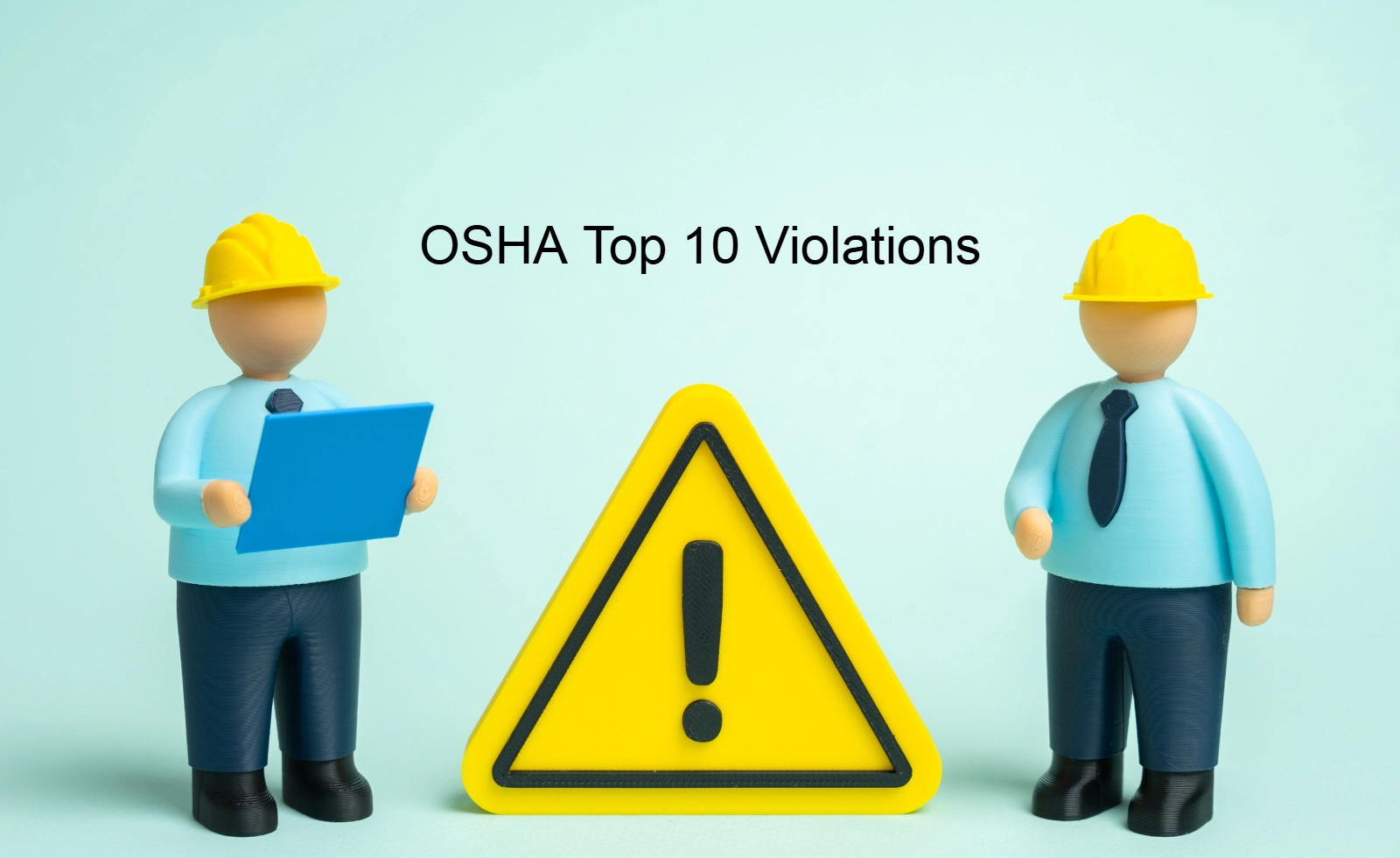
OSHA Top 10 Violations: How to Stay Compliant in 2026
Workplace safety is not just a regulatory requirement—it is a critical business responsibility. Every year, the Occupational Safety and Health Administration (OSHA) publishes its Top 10 Most Frequently Cited Violations, offering valuable insight into the most common compliance gaps across industries.
For employers, safety officers, and HSE professionals, understanding these violations is the first step toward preventing penalties, reducing workplace incidents, and strengthening organizational safety culture.
At Al Salama Safety, we help professionals and organizations build compliance capability through globally recognized programs such as Nebosh IGC, Nebosh IDip and IOSH MS
This comprehensive guide explains OSHA’s Top 10 violations and provides practical strategies to help your organization stay compliant.
What Are OSHA’s Top 10 Violations?
Each fiscal year, OSHA analyzes inspection data and publishes the standards most frequently cited during workplace inspections. These violations typically represent:
- High-risk hazards
- Poorly implemented safety systems
- Lack of employee training
- Weak documentation practices
- Inadequate supervision or enforcement
Understanding these recurring violations helps organizations proactively address risks before inspections occur.
OSHA Top 10 Violations (Latest Trends Overview)
Below are the most commonly cited OSHA standards in recent years:
- Fall Protection (General Requirements)
- Hazard Communication
- Ladders
- Scaffolding
- Powered Industrial Trucks
- Lockout/Tagout (Control of Hazardous Energy)
- Respiratory Protection
- Eye and Face Protection
- Machine Guarding
- Fall Protection – Training Requirements
Now let’s examine each violation and how to stay compliant.
1. Fall Protection – General Requirements
Standard: 29 CFR 1926.501
Falls remain the leading cause of fatalities in construction.
Common Violations:
Lack of guardrails or safety nets
Missing personal fall arrest systems
Unprotected edges above 6 feet
Improper anchorage systems
How to Stay Compliant:
Conduct fall hazard assessments before work begins
Install compliant guardrail systems
Use certified fall arrest systems
Train workers through OSHA 30 Hours and NEBOSH programs
Maintain inspection logs
2. Hazard Communication (HazCom)
Standard: 29 CFR 1910.1200
Hazard Communication ensures workers understand chemical risks.
Common Violations:
Missing Safety Data Sheets (SDS)
Improper labeling
Outdated chemical inventory
No HazCom training
Compliance Strategy:
Maintain updated SDS library
Ensure GHS-compliant labels
Conduct annual employee training
Document hazard communication programs
Programs like NEBOSH (IGC and IDip) and IOSH MS provide structured knowledge on chemical risk management and global compliance standards.
3. Ladders
Standard: 29 CFR 1926.1053
Improper ladder use causes serious injuries annually.
Common Violations:
Using damaged ladders
Incorrect ladder angle
Standing on top step
Overreaching
Compliance Best Practices:
Inspect ladders daily
Train employees on safe usage
Replace damaged ladders immediately
Use proper ladder types for each task
Safety leadership training significantly reduces ladder-related incidents.
4. Scaffolding
Standard: 29 CFR 1926.451
Scaffolding violations frequently lead to falls and structural collapses.
Common Violations:
Inadequate planking
Missing guardrails
Improper assembly
Lack of competent person supervision
Compliance Measures:
Ensure scaffolding is erected by trained personnel
Conduct daily inspections
Install proper fall protection systems
Assign a certified competent person
5. Powered Industrial Trucks (Forklifts)
Standard: 29 CFR 1910.178
Forklift incidents can result in severe injuries or fatalities.
Common Violations:
Untrained operators
No certification documentation
Poor maintenance
Unsafe loading practices
How to Stay Compliant:
Provide formal forklift training
Conduct practical evaluations
Maintain inspection logs
Re-certify operators every three years
6. Lockout/Tagout (LOTO)
Standard: 29 CFR 1910.147
LOTO prevents accidental machine energization.
Common Violations:
No written LOTO procedure
Improper lock usage
No periodic inspections
Failure to train employees
Compliance Approach:
Develop machine-specific procedures
Conduct annual LOTO audits
Train authorized and affected employees
Maintain compliance documentation
7. Respiratory Protection
Standard: 29 CFR 1910.134
Common Violations:
No written respiratory program
Failure to conduct fit testing
Medical evaluations missing
Improper respirator selection
Compliance Steps:
Develop a written respiratory protection program
Conduct annual fit testing
Ensure medical clearance
Train employees properly
8. Eye and Face Protection
Standard: 29 CFR 1910.133
Common Violations:
No protective eyewear
Incorrect PPE type
Lack of hazard assessment
Compliance Actions:
Perform documented PPE hazard assessment
Provide ANSI-approved protection
Train workers on proper use
9. Machine Guarding
Standard: 29 CFR 1910.212
Common Violations:
Unguarded moving parts
Missing barrier guards
Bypassed safety devices
Compliance Measures:
Install fixed guards
Conduct routine inspections
Train workers not to remove guards
Document maintenance checks
10. Fall Protection – Training Requirements
Even when fall protection equipment exists, training gaps lead to violations.
Compliance Tips:
Provide documented fall protection training
Conduct refresher courses
Ensure supervisors enforce safe practices
Why Organizations Fail OSHA Inspections
Most violations occur due to:
- Poor documentation
- Lack of structured training
- No internal audits
- Weak safety leadership
- Reactive rather than proactive safety culture
Professional safety training builds competence and prevents recurring violations.
How Professional Safety Training Prevents OSHA Violations
Investing in internationally recognized certifications ensures systematic compliance.
OSHA 30 Hours
This program provides in-depth understanding of OSHA standards, hazard identification, and compliance responsibilities for supervisors and safety officers.
NEBOSH Certification
The NEBOSH qualification develops advanced risk management and legal compliance skills, recognized globally.
IOSH MS
The Institution of Occupational Safety and Health certification builds foundational occupational health and safety knowledge aligned with international standards.
Step-by-Step Strategy to Stay OSHA Compliant
1. Conduct Regular Risk Assessments
Identify hazards
Document findings
Implement control measures
2. Maintain Written Safety Programs
Fall protection
LOTO
HazCom
Respiratory protection
3. Provide Continuous Training
Initial certification
Annual refreshers
Supervisor development
4. Perform Internal Audits
Quarterly inspections
Compliance reviews
Documentation checks
5. Strengthen Safety Leadership
Empower supervisors
Promote reporting culture
Enforce accountability
Benefits of Staying OSHA Compliant
- Reduced workplace injuries
- Lower insurance costs
- Avoidance of penalties
- Improved employee morale
- Enhanced corporate reputation
Compliance is not just about avoiding fines—it is about building a resilient and sustainable organization.
Final Thoughts
OSHA’s Top 10 Violations highlight predictable and preventable workplace hazards. Organizations that proactively address these risks through structured safety management systems and professional training consistently outperform reactive companies.
By investing in recognized programs such as OSHA 30 Hours, NEBOSH IGC and NEBOSH IDip, and IOSH MS, organizations not only reduce regulatory exposure but also cultivate a strong safety culture that protects workers and enhances operational performance.
To learn more about professional safety certifications and compliance-focused training programs, visit:https://www.alsalamasafety.com/
Building compliance today prevents incidents tomorrow.