
How to Conduct a Workplace Risk Assessment: A Practical Guide
Workplace risk assessments form the foundation of any effective occupational health and safety program. Whether you manage a small office or a large industrial facility, understanding how to identify, evaluate, and control workplace hazards is essential for protecting your workforce and ensuring regulatory compliance.
A workplace risk assessment is not just a compliance requirement—it’s a critical practice that prevents accidents, reduces injuries, and creates a culture of safety throughout your organization. This practical guide walks you through each step of the process, making it accessible for safety professionals at any level.
Why Workplace Risk Assessment Matters
Before diving into the process, it’s important to understand why risk assessments are so vital. Every workplace contains hazards—factors that have the potential to cause harm. These might be physical hazards like machinery or electrical equipment, chemical hazards from substances in use, or human factors like repetitive strain or psychological stress.
When hazards go unidentified and uncontrolled, the consequences can be severe: employee injuries, occupational illnesses, lost productivity, legal liability, and damage to organizational reputation. A systematic risk assessment process helps you get ahead of these risks by identifying them before they result in harm.
Organizations that invest in rigorous risk assessment demonstrate their commitment to worker welfare, which also improves employee morale, reduces absenteeism, and enhances overall workplace productivity.
Step 1: Identify the Hazards in Your Workplace
The first step in conducting a workplace risk assessment is identifying what could cause harm. This requires a systematic and thorough approach.
Start by walking through your workplace and observing the environment. Look at how work is actually performed, not just how procedures say it should be performed. Examine:
- How equipment and machinery are used daily
- The chemicals, substances, and materials in use
- Work practices—both safe and unsafe ones
- The physical condition of your premises, including lighting, ventilation, and noise levels
- Non-routine operations such as maintenance work, cleaning, or emergency procedures
- Hazards to mental health, including work-related stress and workload management
Review your accident and incident records from the past few years. These historical patterns often reveal hazards that aren’t immediately obvious. Pay particular attention to near misses—incidents that could have caused harm but didn’t. These are valuable indicators of where problems exist.
Engage your workforce. Your employees are on the front lines and often have the most practical insights into workplace hazards. Conduct conversations with staff, review any complaints or suggestions they’ve raised, and create an open channel for reporting potential hazards. Workers can identify risks that management might overlook simply because they spend their time directly engaged with the work.
Also consider vulnerable groups in your workforce. Young workers, pregnant employees, workers with disabilities, and migrant workers may have different needs or face particular risks. Ensure your hazard identification considers their specific circumstances.
Step 2: Assess the Level of Risk
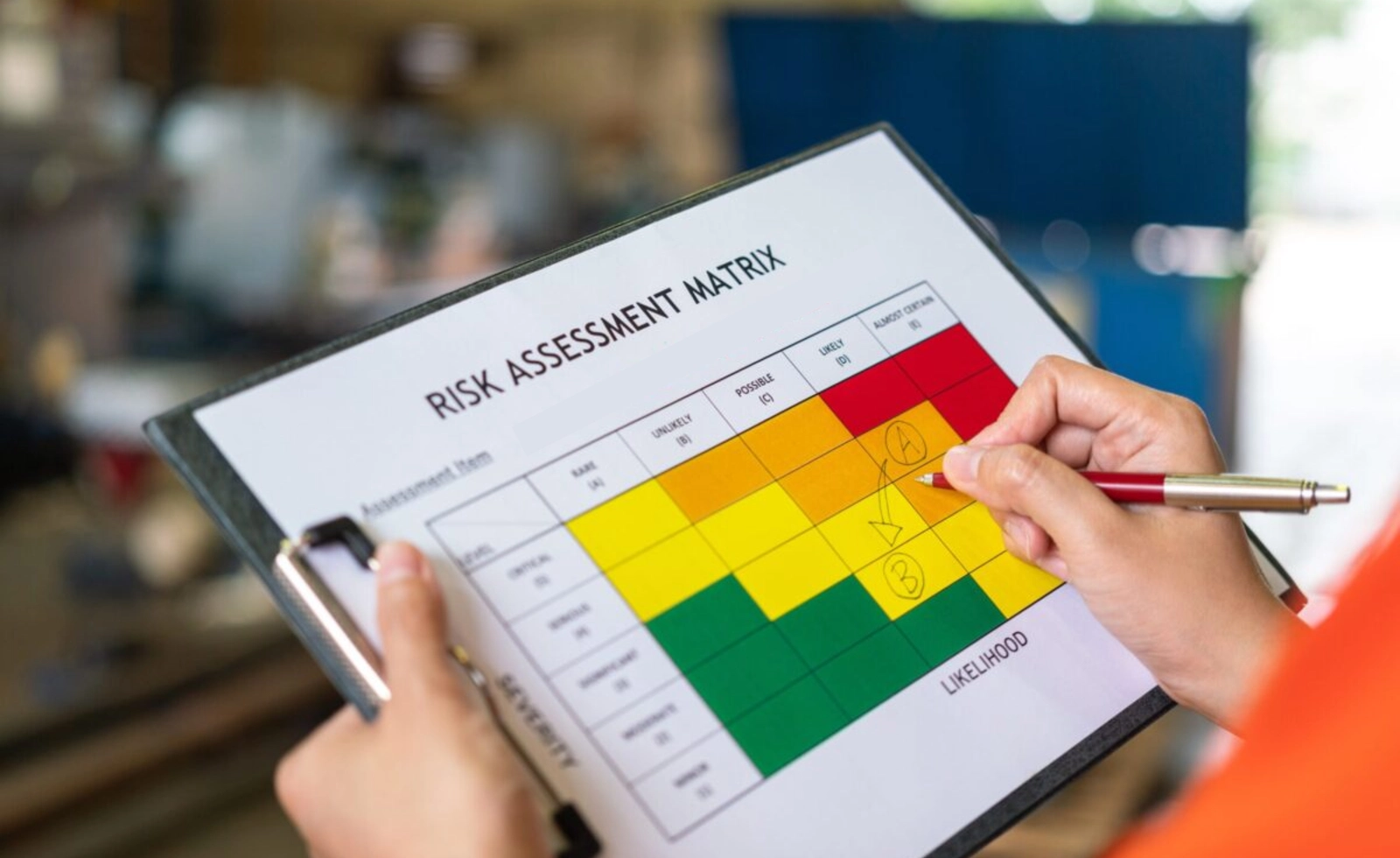
Once you’ve identified the hazards, you need to evaluate the risks they present. Risk assessment involves determining both the likelihood of harm occurring and the potential severity of that harm.
For each hazard you’ve identified, ask yourself:
- Who might be harmed and how? Identify specific individuals or groups (employees, contractors, visitors, members of the public) and describe the ways they could be injured or made ill.
- What controls are already in place? Document the existing measures you’ve implemented to manage this risk.
- What is the current level of risk? Assess whether the existing controls are adequate or if additional measures are needed.
- What further actions are required? Identify specific steps you need to take to reduce the risk to an acceptable level.
- Who is responsible for implementing these actions? Assign clear ownership.
- When should these actions be completed? Set realistic deadlines.
This structured approach ensures that risk assessment is not vague or subjective, but rather a methodical evaluation of actual workplace conditions.
Step 3: Implement Risk Control Measures
Controlling risks is about putting practical measures in place to prevent or minimize harm. The principle of “reasonably practicable” is key here—you’re expected to balance the level of risk against the measures needed to control it, considering factors like cost, time, and feasibility.
When considering control measures, work through them in order of effectiveness:
Eliminate the hazard entirely. This is always the best option if possible. If you can remove the hazard from your workplace altogether—whether by discontinuing a dangerous process or replacing a hazardous substance with a safer alternative—do so.
Substitute with a safer alternative. If elimination isn’t possible, can you replace the hazardous material, equipment, or process with something less dangerous? For example, replacing a toxic cleaning chemical with a less harmful substitute.
Redesign the job or process. Change how the work is organized or performed to reduce exposure to the hazard. This might involve reorganizing work schedules, reducing the time workers spend in hazardous situations, or engineering changes to machinery.
Implement engineering controls. Install physical safeguards such as machine guards, improved ventilation systems, noise barriers, or fall protection systems. These controls work independently of human behavior.
Organize work to reduce exposure. Implement administrative measures like job rotation, increased supervision, or changes to work procedures that limit workers’ contact with hazards.
Provide personal protective equipment (PPE). As a last resort, supply workers with appropriate protective gear like hard hats, gloves, respirators, or safety harnesses. However, PPE alone is never sufficient—it must be combined with other control measures. Ensure workers are trained in proper use and make wearing PPE part of your workplace culture.
Step 4: Record Your Findings
If your organization employs five or more people, you’re required to record the significant findings of your risk assessment. This creates an important document that demonstrates your due diligence and provides a baseline for future reviews.
Your risk assessment record should document:
- The hazards identified in your workplace
- Who might be harmed and how (e.g., “office workers from poor posture,” “warehouse staff from forklift operation”)
- The control measures you have in place
- Any additional actions required to further reduce risk
- Responsible parties and timelines for implementing additional measures
Avoid relying solely on paperwork. The documentation is important for compliance and record-keeping, but the real priority is ensuring that controls are actually implemented and working effectively in practice. Your risk assessment should drive real change in how your workplace operates.
Step 5: Review and Update Your Assessment
Risk assessment is not a one-time event. You must regularly review your controls to ensure they remain effective and relevant.
Conduct a formal review:
- At least annually or on a schedule that makes sense for your organization
- When workplace conditions change (new equipment, new processes, new staff, restructuring)
- When new hazards emerge or existing hazards are modified
- Following any accidents or near misses to determine if your controls were adequate
- When workers report problems with existing controls or identify new risks
Update your risk assessment record with any changes you make. This ongoing process ensures that your risk assessment remains a living document that reflects your actual workplace conditions.
Building a Culture of Risk Assessment
Conducting an effective workplace risk assessment goes beyond ticking boxes or meeting compliance requirements. It requires building a culture where safety is everyone’s responsibility.
Engage your managers, supervisors, and employees in the process. Provide training so staff understand how to identify hazards and report concerns. Share the findings and actions you’ve taken based on your assessment. When employees see that their input leads to real improvements, they become invested in workplace safety.
For those looking to deepen their expertise in occupational health and safety, professional training is invaluable. Organizations like the NEBOSH Training Institute in Kerala offer comprehensive programs including the NEBOSH Certification Course and NEBOSH International Diploma Course, which provide the structured knowledge and practical skills needed to conduct thorough risk assessments and manage occupational health and safety effectively.
Conclusion
Conducting a workplace risk assessment is a fundamental responsibility for any organization. By systematically identifying hazards, evaluating risks, implementing controls, recording your findings, and regularly reviewing your measures, you create a safer workplace for everyone.
Remember that the goal is not to eliminate all risk—that’s impossible. Rather, it’s to identify risks that could cause harm and take reasonable, practical steps to control them. A well-conducted risk assessment demonstrates your commitment to your workers’ wellbeing and helps you build a culture where safety is valued and protected.
Start today by walking through your workplace with a fresh perspective. What hazards are present? What could you eliminate or control? Your employees are your greatest resource—engage them in the process. Together, you can create a safer, healthier workplace where everyone can work with confidence.