5 Common Hazards Every Workplace Should Address
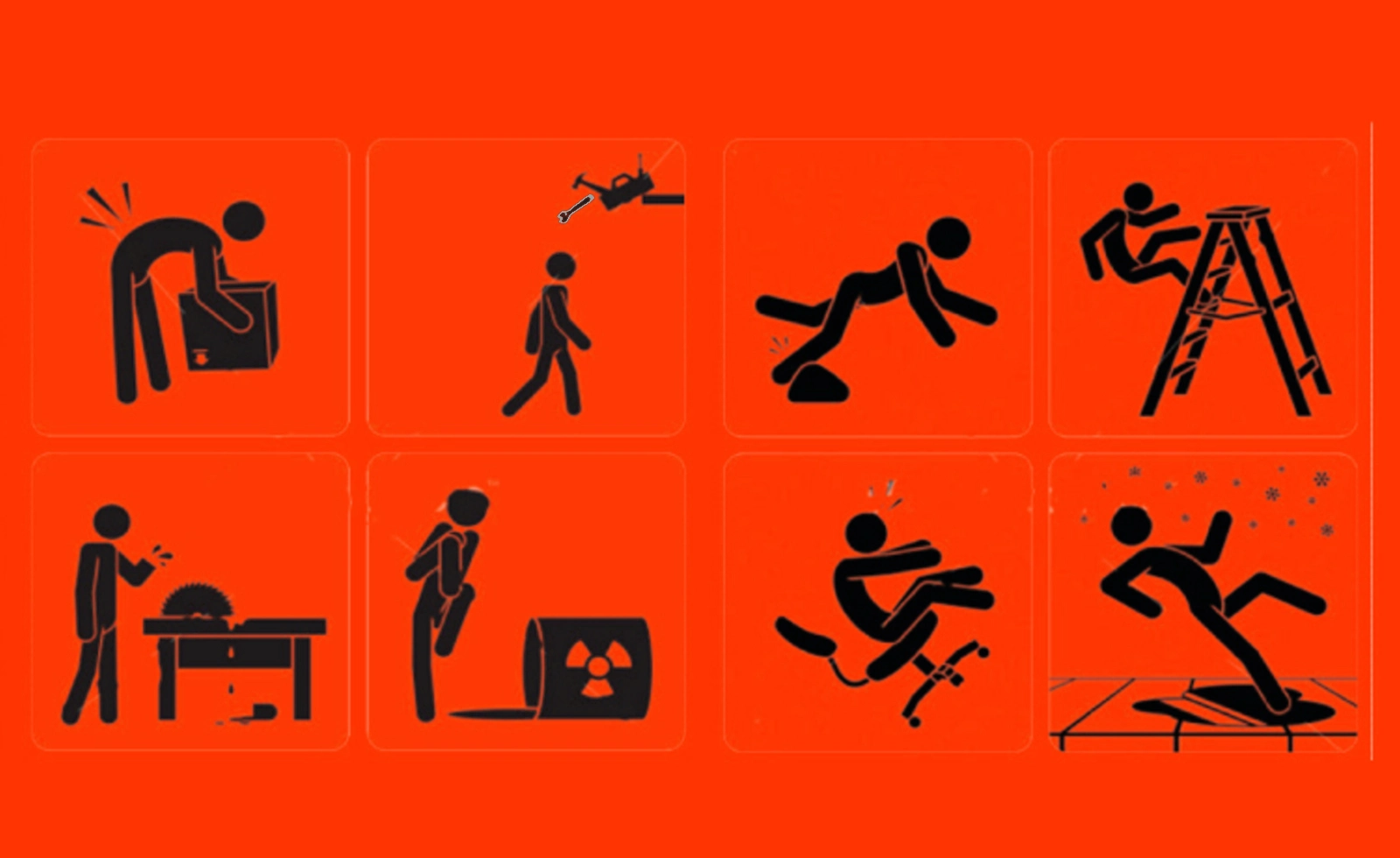
Every organization, regardless of industry, faces workplace hazards that can impact employee safety and business operations. As professionals in occupational health and safety know, identifying and addressing these hazards proactively is essential for creating a secure work environment. In this blog, we’ll explore the five most common workplace hazards and discuss practical approaches to manage them effectively.
1. Slips, Trips, and Falls
Falls and slips represent one of the leading causes of workplace injuries and fatalities across industries. These incidents can range from minor bruises to serious injuries that result in extended time away from work, affecting both employees and business productivity.
Why this matters: Falls are responsible for significant costs to organizations, with each incident averaging substantial expenses in medical care and lost productivity.
Prevention strategies include:
- Maintaining clean, organized work areas free from obstacles and clutter
- Installing non-slip mats in high-traffic areas and wet zones
- Ensuring adequate lighting throughout the workplace, particularly in hallways and stairwells
- Marking hazardous areas and uneven surfaces with warning signs
- Conducting regular inspections to identify potential fall hazards
- Training employees on proper footwear and walking practices
Creating a culture where employees report hazards promptly can prevent many slip and fall incidents before they occur.
2. Chemical Exposure
Chemical hazards are present in many workplaces, from manufacturing facilities to cleaning operations. Exposure to hazardous substances can damage the immune system, respiratory system, and reproductive health, making proper handling essential.
Prevention strategies include:
- Purchasing only approved chemicals from authorized suppliers
- Consulting Safety Data Sheets for every chemical used in the workplace
- Conducting comprehensive chemical risk assessments
- Storing chemicals in clearly labeled, appropriate containers away from incompatible materials
- Ensuring adequate ventilation in work areas where chemicals are handled
- Providing employees with necessary personal protective equipment such as gloves, masks, and eye protection
- Offering thorough training on hazardous material handling and emergency procedures
- Establishing proper disposal protocols that comply with environmental regulations
A well-documented hazard communication program ensures that all employees understand the chemicals they may encounter and know how to protect themselves.
3. Machinery and Equipment Hazards
Operating tools and machinery without proper safeguards and training represents a significant risk in many work environments. Equipment-related incidents can result in serious injuries if workers are not adequately prepared.
Prevention strategies include:
- Conducting regular maintenance and inspections of all machinery and equipment
- Providing comprehensive training to all operators before they use equipment
- Restricting machinery operation to trained and authorized personnel only
- Installing safety guards, emergency stop buttons, and protective barriers
- Ensuring proper use of personal protective equipment when working with machinery
- Establishing clear lockout and tagout procedures during maintenance
- Conducting routine safety checks and equipment audits
Well-maintained equipment with proper safeguards reduces the risk of accidents significantly. Regular training ensures workers understand not just how to use equipment, but also how to respond if something goes wrong.
4. Fire Hazards
Fire presents both immediate and long-term risks to workplace safety. Fires can spread rapidly and cause extensive property damage, injuries, and fatalities if proper precautions are not in place.
Prevention strategies include:
- Installing and regularly maintaining fire alarms, extinguishers, and sprinkler systems
- Developing and posting clear emergency evacuation plans with designated assembly points
- Conducting regular fire drills to ensure all employees know the evacuation procedures
- Training employees on the proper use of different types of fire extinguishers
- Storing flammable materials in designated, secure areas away from ignition sources
- Implementing hot works procedures and fire watch protocols during maintenance
- Maintaining clear emergency exits and keeping them unobstructed
- Establishing an emergency response plan with clear communication protocols
Regular fire safety training ensures that employees can act quickly and confidently if a fire emergency occurs, potentially preventing injuries and saving lives.
5. Ergonomic Hazards and Repetitive Motion Injuries
Many workplace injuries result not from dramatic accidents but from prolonged improper posture, poor workstation setup, or repetitive motions. These injuries accumulate over time and can have serious long-term consequences for employee health.
Prevention strategies include:
- Assessing workstations to ensure they promote proper posture and alignment
- Providing ergonomic furniture and tools designed to reduce strain
- Encouraging employees to take regular breaks and stretch
- Educating workers on proper lifting techniques and safe handling procedures
- Rotating employees between different tasks to reduce repetitive stress
- Conducting workstation assessments and adjustments as needed
- Creating a culture where employees feel comfortable reporting discomfort or pain
Ergonomic improvements often result in increased productivity and reduced absenteeism, making them a worthwhile investment for any organization.
The Role of Training and Awareness
What ties these hazard management strategies together is training. Employees who understand workplace hazards and know how to respond to them are your organization’s first line of defense. A NEBOSH Training Institute in Kerala like Al Salama School of Safety Studies emphasizes that proper education is foundational to safety culture.
Whether through a NEBOSH Certification Course or a NEBOSH International Diploma Course, professional safety training equips individuals with the knowledge to identify hazards, implement controls, and foster a safety-conscious workplace. These certifications are recognized internationally and provide professionals with the credentials and expertise needed to lead safety initiatives effectively.
Moving Forward
Creating a safe workplace requires commitment from both management and employees. Regular hazard assessments, ongoing training, clear communication, and a genuine commitment to safety culture all play important roles. When organizations take a proactive approach to hazard identification and control, they protect their most valuable asset—their people—while also reducing costs associated with incidents and improving overall operational efficiency.
The investment in workplace safety today pays dividends in employee well-being, reduced absenteeism, improved morale, and sustainable business growth tomorrow.